Steak Fajitas with Rump
Introduction
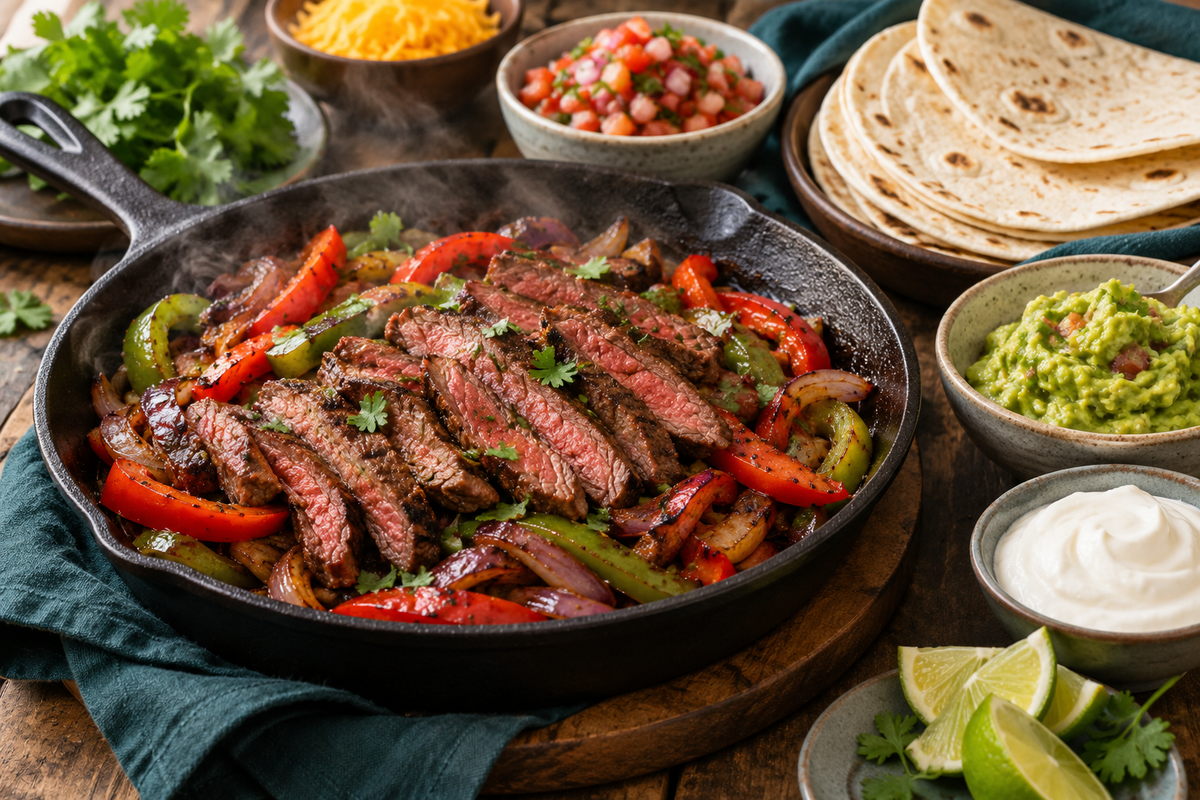
Steak fajitas are strips of marinated, hard-seared steak served sizzling with charred capsicum and onion, ready to wrap in warm flour tortillas with your favourite toppings.
US recipes call for flank or skirt, but in Australia grass-fed rump is the smarter buy: it has a deep beefy flavour, soaks up a smoky lime and cumin marinade and stays tender when sliced thinly across the grain.
Cut steaks from a whole grass-fed rump or an even rostbiff, sear them whole to a pink centre, rest, then slice. Once the beef has marinated, dinner is on the table in about 40 minutes.
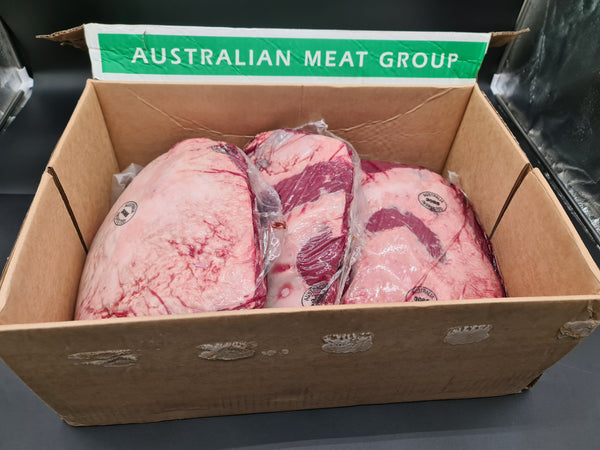
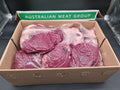
Rump from $26/kg - 100% Grass-Fed Angus Beef - AMG
The best value beef buy in the shop. This whole rump primal gives you the entire grass-fed Black Angus rump in one piece, including picanha...
Also Featured in This Recipe
Ingredients
For 4 servings
- 800ggrass fed rumpcut into 2.5cm thick steaks from a whole rump or rostbiff
- 2limesjuiced (marinade)
- 2 tbspolive oilmarinade
- 3garlic clovescrushed (marinade)
- 2 tspground cuminmarinade
- 2 tspsmoked paprikamarinade
- 1 tspchilli powderor to taste (marinade)
- 1 tspdried oreganomarinade
- 1 tspbrown sugarmarinade
- 1 tspsea saltmarinade
- 1/2 tspfreshly ground black peppermarinade
- 1 tbspolive oilfor cooking
- 1red capsicumsliced into strips
- 1green capsicumsliced into strips
- 1large red onioncut into thin wedges
- 8small flour tortillaswarmed
- sour creamto serve
- guacamoleto serve
- pico de galloto serve
- grated cheddarto serve
- coriander leaves and lime wedgesto serve
Utensils
6 items to gather · Tap to tick off
- Cast iron pan or BBQ hotplate
- Shallow dish and whisk
- Digital probe thermometer
- Tongs
- Aluminium foil
- Sharp carving knife and chopping board
Cooking Steps
Cut the steaks
If you are starting with a whole rump, separate it along its natural seams into its individual muscles, trim off any sinew and cut each muscle into steaks about 2.5cm thick. A rostbiff can be cut straight into steaks. Note which way the grain runs in each piece, because you will slice across it later.
Marinate the beef
Whisk the lime juice, 2 tbsp oil, garlic, cumin, smoked paprika, chilli, oregano, sugar, salt and pepper in a shallow dish. Add the steaks, turn to coat and cover. Refrigerate for at least 30 minutes and no longer than 4 hours, then take the beef out of the fridge 20 minutes before cooking.
Sear the steaks
Heat a cast iron pan or BBQ hotplate over high heat until smoking. Wipe the excess marinade off the steaks and pat them dry so they brown rather than steam. Cook for 3 to 4 minutes per side, in batches if needed, until well charred and a probe in the thickest part reads 56 to 58C for medium rare.
Rest the beef
Move the steaks to a board, cover loosely with foil and rest for 5 to 10 minutes while you cook the vegetables. The centre climbs another 3 to 5C as it rests.
Char the vegetables
Add 1 tbsp oil to the same hot pan with the capsicum and onion. Cook for 6 to 8 minutes, tossing occasionally, until softened and blistered at the edges but still with some bite. Season with a pinch of salt and a squeeze of lime.
Slice and serve
Warm the tortillas in a dry pan or wrapped in foil in a 180C oven for 5 minutes. Slice the steak about 5mm thick across the grain, tip it and its resting juices over the vegetables and serve sizzling with the tortillas and toppings, so everyone can build their own.
Nutrition
Per Serving
Recipe serves 4Nutritional values are estimates only and may vary based on specific ingredients, brands, cuts, cooking method, and portion sizes. For medical or dietary purposes, please consult a qualified nutritionist.
Tips and Pairing
People Also Ask
What type of steak is best for fajitas? +
In Australia, rump is one of the best steaks for fajitas. It has a strong beefy flavour, takes a marinade well and stays tender when it is sliced thinly across the grain. US recipes often name flank or skirt, which are harder to find here. A whole rump or an even rostbiff gives a family plenty of steak at good value.
What's the secret to tender steak fajitas? +
The secret is to cook the steak whole, rest it, then slice it thinly across the grain. Searing whole steaks over very high heat builds a charred crust while the centre stays pink and juicy. Resting for 5 to 10 minutes keeps the juices in, and cutting across the grain shortens the muscle fibres so every strip is easy to chew.
What is a good marinade for steak fajitas? +
A good fajita marinade balances acid, oil and warm spices. Lime juice, olive oil, garlic, ground cumin, smoked paprika, chilli powder, dried oregano, a little brown sugar, salt and pepper give a smoky, bright flavour without a packet seasoning. The oil carries the spices onto the meat, the sugar helps it char and the lime lifts the whole dish.
What goes in steak fajitas? +
Steak fajitas are made with marinated strips of steak, charred capsicum and onion, and warm flour tortillas. Popular toppings include sour cream, guacamole, pico de gallo, grated cheese, coriander and a squeeze of lime. Serving everything at the table lets each person build their own, and Mexican rice or black beans on the side turn it into a full meal.
How long should you marinate steak for fajitas? +
Marinate steak for fajitas for at least 30 minutes and no longer than 4 hours in the fridge. That is long enough for the garlic, spices and lime to flavour the surface, but short enough that the acid does not turn the outside soft. If you need to prep ahead, mix the marinade the day before and add the beef later.