
Marinating is one of the easiest ways to lift everyday beef into something with real depth of flavour.
Done well, it builds a savoury crust, adds aroma, and helps certain cuts eat more tenderly. Done badly, it can leave meat mushy, oddly salty, or no better than when you started.
This guide explains how to marinate beef properly, from what a marinade actually does and the cuts that benefit most, through to the right ratio, the timing, and the food safety steps that matter whenever raw meat is involved.
What Does Marinating Beef Actually Do?
Marinating beef is mainly about flavour, not tenderness. A marinade seasons and coats the outer layer of the meat, building aroma and helping it develop a richer crust once it hits the heat. The tenderising effect is real but limited, because a marinade only works on the surface rather than the centre.
Acidic ingredients like vinegar, citrus, and wine can soften the outer few millimetres, and natural enzymes in pineapple, kiwi, and ginger do the same. What they cannot do is turn a genuinely tough cut into a tender one, since they never reach that far into the muscle.
For real tenderness, the cut you choose and how you cook it matter far more than any marinade. Think of marinating as a flavour tool first, with a little surface softening as a bonus, and you will get far better results.
What Is the Difference Between a Marinade, a Rub, and a Paste?
These three add flavour in different ways, and choosing the right one depends on the cut and the cooking method. A wet marinade combines liquid and dry ingredients into a flavour infusion that the meat soaks in. It suits steaks, kebabs, and cuts headed for the grill or barbecue.
A dry rub is a blend of dried herbs, spices, and salt pressed onto the surface. The natural moisture in the beef draws in the flavours, giving a subtle, even seasoning and a great crust. Rubs are quick, with no long soaking time needed.
A paste sits between the two, made from herbs and spices bound with a little oil and often garlic or ginger. Pastes are rubbed on before roasting or barbecuing and cling well to larger joints. All three work beautifully on Australian beef, so it comes down to the result you are after.
What Goes Into a Good Beef Marinade?

A good wet marinade balances four things, and once you understand each one, almost any combination will work:
- Oil carries fat-soluble flavours into the meat and helps it brown. Olive oil or a neutral oil both work well.
- Acid, such as lemon juice, vinegar, or wine, brightens the mix and lightly softens the surface. Use it in moderation, as too much turns the texture mushy.
- Aromatics give the marinade its character. Garlic, ginger, fresh and dried herbs, mustard, soy, and Worcestershire sauce all add depth.
- Seasoning ties it together. Salt and pepper are the base, but go easy on very salty ingredients like soy sauce, as too much draws moisture out and dries the beef.
A couple of limits are worth keeping in mind when you mix it:
- Use about half a cup (125ml) of marinade for every 500g of beef.
- Keep sugary ingredients to a minimum for high-heat cooking, since honey and sugar burn before the beef is done.
If you want somewhere to start, these reliable combinations rarely miss:
- Olive oil, lemon, and oregano
- Soy, sesame, and ginger
- Red wine, garlic, and rosemary
- Tomato, Worcestershire, and a little mustard
What Is an Easy All-Purpose Beef Marinade Recipe?
This simple all-purpose marinade suits almost any beef steak and takes about five minutes to mix. It is oil-forward with only light acidity, so it can sit anywhere from two hours to overnight without softening the meat too much. The quantities below are enough for around 500g to 750g of beef.
- 3 tbsp olive oil
- 2 tbsp soy sauce, preferably reduced-salt
- 1 tbsp Worcestershire sauce
- 1 tbsp red wine vinegar or lemon juice
- 2 garlic cloves, crushed
- 1 tsp dried mixed herbs
- ½ tsp cracked black pepper
Whisk everything together, or shake it in a sealed jar, then pour it over the beef and turn to coat. There is no need to add salt, as the soy sauce brings enough. From this base, two easy variations cover most tastes:
- Asian-style: swap the vinegar for rice vinegar and add 2 tsp sesame oil and 1 tsp grated fresh ginger. A little honey adds a glaze, but brush it on late so it does not burn.
- Mediterranean herb: leave out the soy and Worcestershire, double the olive oil, and add the juice and zest of half a lemon with chopped fresh rosemary and oregano.
How Do You Use a Dry Rub on Beef?
A dry rub seasons the surface with dried herbs and spices and needs no soaking time, which makes it ideal when you want flavour and a crust without planning ahead. Use about 2 to 3 tablespoons of rub for every 500g of beef, pressed on firmly about 20 minutes before cooking.
Rub it in evenly so it sticks, brush off any excess, then coat the beef lightly with oil before it hits the heat. A squeeze of lemon as it cooks helps stop the spices and herbs from burning.
Keep the blends simple for the best results. Combinations like garlic and cracked pepper, smoked paprika with cumin, or a ready-made steak seasoning all work well, and ground peppercorns, coriander seeds, and dried herbs make an easy base.
Which Cuts of Beef Are Best for Marinating?
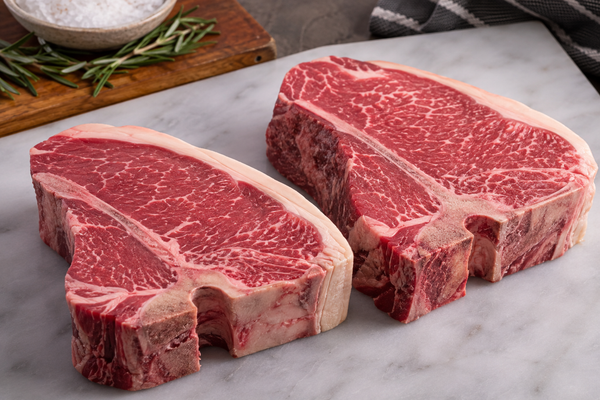
The cuts that gain the most are leaner, firmer, everyday steaks, because they have flavour to add and benefit from the extra moisture. Rump, skirt, flank, and blade all take a marinade well and reward a quick, hot cook on the grill.
Premium tender cuts are a different story. An eye fillet or tenderloin is already soft and delicate, so it needs very little. A simple coat of oil, salt, and pepper is usually enough, and a heavy marinade can actually mask the quality you have paid for.
The same applies to richly marbled cuts. Scotch fillet, ribeye, and Wagyu are best simply seasoned, so the fat and natural beef flavour lead rather than competing with a strong marinade. Save your marinades for the cuts that truly benefit, and let the premium ones speak for themselves.
How Long Should You Marinate Beef?
Most beef is best marinated for between 2 and 24 hours, depending on the cut and how acidic the marinade is. Whole pieces have more surface and stand up to longer soaking, while small pieces and thin cuts need much less time.
|
Cut or type |
Marinating time |
|
Steaks and whole cuts |
12 to 24 hours |
|
Beef cubes for kebabs |
2 to 3 hours |
|
Thin strips or quick-cook pieces |
30 minutes to 2 hours |
|
Strongly acidic marinades |
2 to 4 hours maximum |
Steaks and roasts can happily sit for 12 to 24 hours, while kebab cubes need only 2 to 3 hours. The key warning is not to over-marinate in a high-acid mix, as too long leaves the surface mushy and unpleasant rather than tender. Always cover and refrigerate marinating beef unless you plan to cook it within about 20 minutes.
How Do You Marinate Beef Step by Step?

Marinating beef takes only a few minutes of hands-on work. Follow these steps for a reliable result every time.
- Choose the right cut. Pick a leaner, firmer steak such as rump, skirt, or flank that has flavour to gain. Keep heavy marinades away from premium tender cuts that do not need them.
- Mix the marinade. Combine oil, acid, aromatics, and seasoning, using about half a cup (125ml) for every 500g of beef. Whisk it in a bowl or shake it together in a jar.
- Prepare the beef. Trim any loose fat and pat the surface dry so the marinade clings rather than slides off. There is no need to pierce or score the meat.
- Combine the two. Place the beef in a dish or a sealed bag, pour over the marinade, and turn it so every surface is evenly coated.
- Cover and refrigerate. Chill for the right time for your cut, from a couple of hours for small pieces up to 24 hours for steaks and roasts. Keep strongly acidic marinades short.
- Turn it once or twice. Where you can, flip the beef partway through so it marinates evenly. This matters most when using a shallow dish rather than a bag.
- Pat dry before cooking. Lift the beef out, scrape off the excess, and dry the surface so it browns properly instead of steaming. Discard the used marinade.
- Cook and rest. Cook to your chosen method and preferred doneness, then rest the beef for a few minutes before serving so the juices settle.
How Do You Marinate Beef Safely?
Always marinate beef in the fridge, never on the bench, and never reuse marinade that has touched raw meat. Use a covered dish or a sealed bag, which also coats the meat evenly and saves space. Raw meat left out at room temperature is where most food safety problems begin.
Any liquid marinade, rub, or paste that has been in contact with raw beef should be discarded, not poured over the cooked meat. If you want to serve some of the marinade as a sauce, set aside a clean portion beforehand, or boil the used marinade hard for several minutes first to kill any bacteria.
Clean, unused liquid marinade keeps in a sealed container in the fridge for a day or two, so you can mix a batch ahead of time.
How Do You Cook Marinated Beef for the Best Result?
Before the beef hits the heat, pat it dry with paper towel so it browns and chars rather than steams. A wet surface is the most common reason marinated beef comes out pale and stewed instead of caramelised.
Do not pour the marinade over the meat as it cooks, since it stews the beef and causes flare-ups on the grill. You can brush on a little extra during cooking for moisture, but stop in the final minutes, especially with any marinade containing sugar or honey.
From there, cook to your usual method and preferred doneness. Our guide to meat cooking times and conversion tables covers the internal temperatures for every level, so you can finish a marinated steak exactly the way you like it.
Common Mistakes to Avoid When Marinating Beef
A few simple errors account for most disappointing results, and all of them are easy to sidestep once you know them.
- Using too much salt or soy sauce. Heavy salt draws moisture out of the beef and leaves it dry, so keep salty ingredients in check.
- Adding too much sugar for high-heat cooking. Honey and sugar burn before the meat is done, so save sweet glazes for low heat or the final minutes.
- Over-marinating in acid. Long soaking in citrus or vinegar turns the surface mushy rather than tender, so keep high-acid marinades to a few hours.
- Marinating premium cuts that do not need it. Eye fillet and well-marbled cuts are better simply seasoned, as a strong marinade only masks what you paid for.
- Cooking the beef straight from the marinade. A wet surface steams instead of searing, so always lift the beef out and pat it dry first.
- Reusing raw marinade. Marinade that has touched raw beef must be discarded, or boiled hard before it goes anywhere near cooked meat.
Conclusion
Marinating beef is simple once you treat it as a flavour tool, match it to the right cut, and respect the timing and safety basics. Balance oil, acid, aromatics, and seasoning, keep raw marinade well away from cooked meat, and pat the beef dry before cooking.