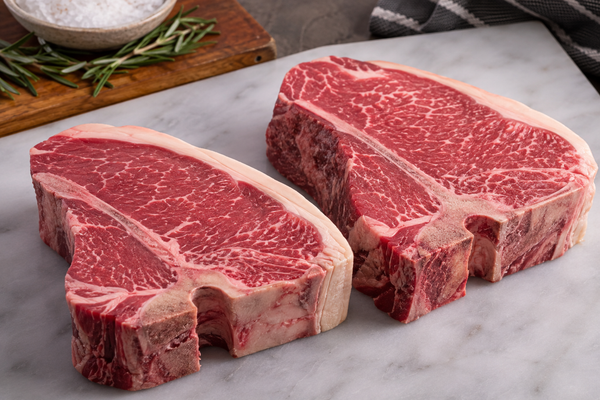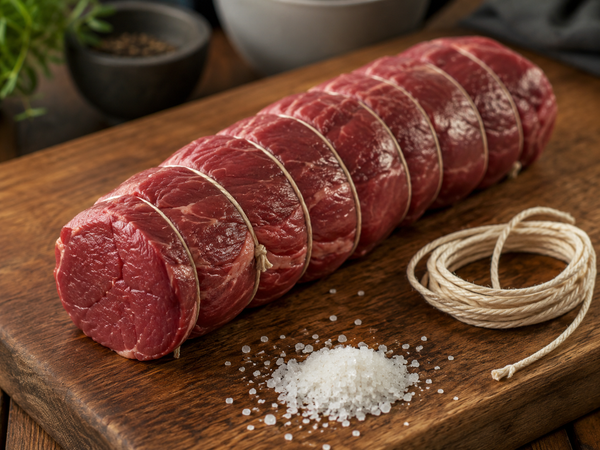

Resting is the step most people skip, and it is the difference between a juicy steak and a puddle of flavour on the chopping board.
It costs nothing, needs no equipment, and takes only a few minutes, yet it has a real effect on how moist and tender your beef turns out.
This guide explains how to rest beef the right way, including why it works, how long to rest steaks and roasts, whether to cover the meat, and how to keep it hot so resting never means serving a cold dinner.
Why Should You Rest Beef After Cooking?
Resting beef means letting it sit off the heat for a few minutes before you cut into it, and it matters because it stops the juices flooding out the moment you slice. Cut a steak straight off the heat and you lose flavour and moisture to the board, no matter how well you cooked it. Here is what that short pause actually does:
- It keeps the juices in the meat. As beef cooks, the muscle fibres tighten and push moisture outwards. Resting lets the meat cool slightly so the fibres relax and hold onto that moisture, meaning far less escapes when you cut. In test-kitchen comparisons, rested steaks released around 40 per cent less juice than steaks sliced immediately.
- It finishes the cooking gently. Heat keeps moving from the hot outer layers into the cooler centre after the beef leaves the pan, raising the temperature as it rests. This is called carryover cooking. A steak climbs a few degrees, while a large roast can rise 5 to 10°C.
- It improves the texture. Settling to an even temperature lets the cut slice cleanly and eat more tender, rather than tight and dry.
Because of carryover, it pays to pull beef off the heat slightly early. Our guide to meat cooking times and conversion tables covers the internal temperatures to aim for.
How Long Should You Rest Beef?

As a rule of thumb, rest steaks for 3 to 5 minutes and roasts for 10 to 30 minutes, depending on size. Bigger cuts hold more heat and need longer for the temperature to settle, while thin steaks need only a short pause.
Resting time depends mainly on how thick the cut is and how it is cooked, rather than which part of the animal it comes from.
The table below groups the common cuts by the way they are usually prepared, so you can find yours quickly.
|
Cut |
Usually cooked as |
Resting time |
|
Eye fillet (tenderloin), porterhouse (striploin), scotch fillet (cube roll), rump |
Pan or grilled steak |
3 to 5 minutes |
|
Skirt, flank, hanger |
Thin, fast-cooked steak |
3 to 5 minutes |
|
Any of the above cut thick (4cm or more) |
Thick or reverse-seared steak |
5 to 10 minutes |
|
Beef patties or rissoles |
Pan-fried or grilled mince |
2 to 3 minutes |
|
Whole eye fillet |
Roast |
10 to 15 minutes |
|
Standing rib (cube roll), whole porterhouse, rump, topside, silverside, knuckle |
Roast |
15 to 20 minutes |
|
Brisket |
Slow-roasted or smoked |
30 minutes to 1 hour |
|
Corned silverside or brisket |
Simmered or boiled |
10 to 15 minutes, ideally in its liquid |
|
Chuck, blade, short ribs, shin (gravy beef), oxtail, cheek |
Slow-cooked or braised |
Little to none, served in the juices |
Slow-cooked cuts like chuck and shin sit in their own liquid as they cook, so they stay moist and need little or no resting.
Brisket is the exception, as a smoked or slow-roasted brisket benefits from a long rest before slicing. If you prefer one simple guide, a common rule is to rest the beef for about 1 minute per 100g. That works neatly for roasts, where a 1 to 2kg joint lands at 10 to 20 minutes, while a single steak is best given a flat 3 to 5 minutes, since the by-weight rule comes out very short for a small cut.
Should You Cover Beef While It Rests?
Cover beef loosely with foil while it rests to slow heat loss, but never wrap it tightly. A loose tent keeps warmth in without smothering the meat, which is all most cuts need for a short rest.
Wrapping tightly is the common mistake. It traps steam against the surface and softens the crust you worked to build, leaving the outside damp rather than crisp. This matters most with a pan-seared steak, where the crust is part of the appeal, so a thin steak resting for only a few minutes is often best left uncovered or barely tented.
Larger roasts are more forgiving, since they hold heat well and the crust is less delicate. A loose foil tent suits them nicely, keeping the joint warm across a longer rest without turning the surface soft.
How Do You Rest Beef Without It Going Cold?
The trick is a warm plate, a loose foil tent, and a warm spot to rest the meat in. Resting does not have to mean cold beef, and a few small habits keep it hot right up to serving.
- Warm your plates and serving board before the beef comes off the heat, so it does not lose warmth to a cold surface.
- Tent loosely with foil to hold heat in while letting the crust breathe.
- Rest it somewhere warm, such as the back of the stove or on top of the oven, away from any draught.
- Have your sides and gravy ready so you can serve the moment the rest is done.
It also helps to know that carryover cooking keeps the inside warm, and a large roast can hold serving heat for well over half an hour. Steaks cool faster, which is exactly why their rest is shorter and a warm plate matters more.
How Do You Rest Beef Without Foil?

You do not need foil to rest beef. A loose cover of any kind, or simply a warm spot, does the same job. Foil is convenient, but it is far from the only option, and some alternatives actually protect the crust better.
- Invert a metal or ceramic bowl over the meat as a loose dome that traps warmth while leaving room around the crust.
- Use a switched-off oven left slightly warm, around 50 to 60°C, with the door ajar.
- Wrap loosely in butcher's paper, which breathes more than foil and keeps the surface from going soggy.
- Rest on a rack or upturned plate, so air circulates underneath and the base does not steam.
Common Mistakes to Avoid When Resting Beef
A few simple errors undo all the good work of cooking, and each one is easy to avoid.
- Skipping the rest altogether. Cutting straight away is the single biggest cause of dry, grey-looking beef.
- Wrapping too tightly in foil. This steams the crust soft instead of keeping it crisp.
- Resting too long. Leave a steak much past 10 minutes and it drifts from warm to cold.
- Cutting too soon. Even a couple of minutes early lets more juice run out than it needs to.
- Resting on a cold plate. A cold surface pulls heat out fast and works against you.
- Throwing away the resting juices. Pour them back over the sliced beef or stir them into the gravy, as that is pure flavour.
Conclusion
Resting beef is the easiest way to protect everything you got right while cooking. Give steaks about 5 minutes and roasts 10 to 30, tent loosely rather than tightly, keep a warm plate ready, and save the juices for the plate.