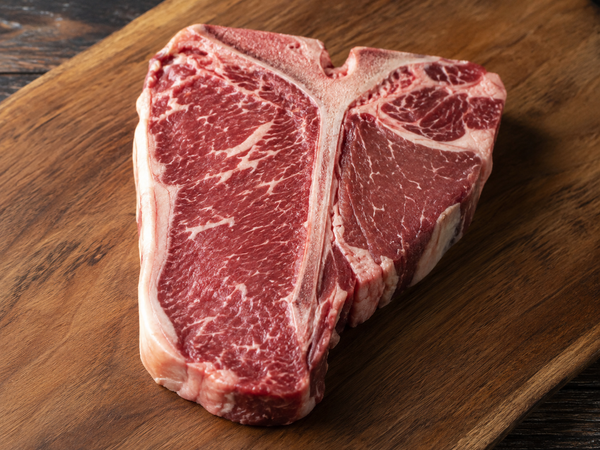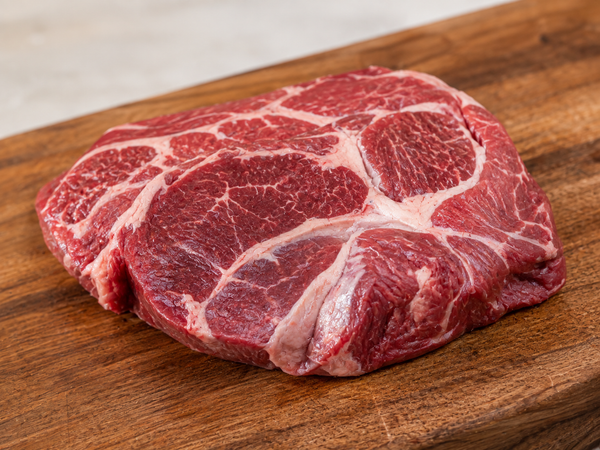

Flank steak is called flank steak in Australia too, but it is far less common here than in the United States, and it is regularly confused with skirt steak, which is a different muscle.
That mismatch is why so many Australian recipes send people to a butcher counter that does not have it.
This guide covers what the cut actually is, what to ask for, where it is genuinely stocked in Australia, which substitutes work, and how to cook and slice it so it does not come out chewy.
What is flank steak?
Flank steak is a single flat muscle called the rectus abdominis, cut from the abdominal wall of the animal just behind the ribs and below the loin. It is one of the leanest cuts on the carcass and carries almost no fat cover.
The shape is distinctive. A whole flank is long, wide and flat, usually somewhere between 600g and 1kg, with no bone and very little trim. Because it comes from a muscle that supports the animal's midsection, it is worked hard, and that shows in the texture.
The defining feature is the grain. Flank has a coarse grain running clearly along the length of the cut, and you can see it plainly in the raw meat. That grain is both the reason the cut carries so much beef flavour and the reason it turns stringy the moment you slice it the wrong way.
What is flank steak called in Australia?
In Australia flank steak is sold as flank steak, but many butchers group it with skirt steak on the same label, and some will offer skirt when you ask for flank. There is no separate Australian name for the cut, which surprises people expecting a local translation.

The confusion sits between three separate cuts that get treated the same way in the kitchen.
| Cut | Australia | United States | Elsewhere |
| Flank | Flank steak | Flank steak | Bavette in France |
| Skirt | Skirt steak, thin skirt | Skirt steak, inside and outside skirt | Goose skirt in the United Kingdom |
| Hanger | Hanger steak | Hanger steak | Onglet in France |
All three are lean, coarse-grained, full-flavoured cuts that suit marinating and fast cooking. They are not the same muscle, and a butcher who knows the difference will tell you which one is in the case that day.
Is flank steak the same as skirt steak?
No. Flank comes from the abdominal wall, while skirt comes from the diaphragm area. They look similar, cook the same way and are often sold under a shared label in Australia, but skirt has a looser, more open grain and a slightly richer flavour. As a substitute skirt is the closest thing available.
What to ask your butcher for
Ask for whole beef flank, and if they do not have it, ask for thin skirt as the substitute rather than accepting whatever is nearest. Being specific matters more with this cut than almost any other, because the wrong answer still looks right in the display case.
A few phrases save time at the counter. Say you want it whole rather than portioned, since flank is usually sliced after cooking and buying it in one piece keeps that option open. Mention that you plan to marinate and grill it, which tells the butcher immediately what you are after and prompts them to offer skirt or hanger if flank is out.
If your butcher does not stock any of the three, they can often order flank in with a few days notice, since it is a standard primal cut rather than a specialty item. It is worth asking rather than assuming. Our overview of Australian beef cuts is a useful reference if you want to check what else sits nearby on the carcass.
Where to buy flank steak in Australia
Woolworths stocks flank steak under both its Macro grass-fed range and its Cook's Cuts line, though availability varies by store, and specialist butchers are the more reliable option. Coles is less consistent with it, so ring ahead rather than making a trip.
Independent butchers are usually the better bet, particularly those who break down whole primals rather than buying in pre-cut boxes. South American, Mexican and Asian butchers stock it more often than most, because flank is central to carne asada, fajitas and stir fry cooking.
Online butchers carry it intermittently. Because flank is a small yield from each animal, most Australian suppliers prioritise the cuts that sell in volume, which is exactly why the cut is easier to find in the United States than here. If you are set on flank specifically, order it when you see it rather than when you need it.
The best flank steak substitutes
Skirt steak is the closest substitute for flank in Australia, followed by hanger, with rump the most widely available everyday swap. All of them respond to the same treatment: marinate, cook hot and fast, slice thin across the grain.
| Substitute | How close | Why it works | Availability here |
| Skirt steak | Closest | Same coarse grain, same lean profile, handles marinade the same way | Good at most butchers |
| Hanger steak | Very close | More tender with a deeper, mineral flavour | Harder to find, ask ahead |
| Rump | Good everyday swap | Finer grain and more forgiving, slices well for stir fry | Available everywhere |
| Oyster blade | Workable | Cheap and full flavoured once the central sinew is removed | Widely available |
| Bavette | The same cut | French name for flank, occasionally used on Australian menus | Rare on retail labels |
If the appeal of flank was value rather than the specific cut, it is worth looking at the wider list of cheaper beef cuts that still eat well. Oyster blade in particular delivers a lot of flavour for the money once it is trimmed properly.
How to cook flank steak
Cook flank steak fast over high heat to medium rare, never past medium, because it is lean enough that extra time only makes it tougher. This is the opposite of a slow cooking cut, despite how hard-working the muscle is.

Marinating earns its place here in a way it does not with a loin cut. The coarse, open grain lets a marinade penetrate properly rather than just coating the surface, and an acidic component helps soften the fibres. Two hours is enough, and our notes on marinating beef cover the ratios worth using.
Get the grill or pan properly hot, then give it roughly three to four minutes a side depending on thickness, pulling it at 52 to 54C for medium rare. Rest it for five minutes before you go near it with a knife. Flank suits anything that calls for sliced beef: fajitas, carne asada, stir fry, steak salad and skewers all play to its strengths, and a marinade-led approach like our Argentinian chilli and garlic steak works well with the substitutes above.
How to slice flank steak against the grain
Find the direction the fibres run along the length of the cut, then slice thinly at a right angle to them. Cutting with the grain leaves long fibres intact and the meat eats stringy, which is the single most common reason people give up on this cut.
Is flank steak worth buying in Australia?
Flank is worth buying when you find it and want maximum beef flavour for sliced dishes, but in Australia the smarter default is usually skirt, because it is easier to source and eats almost identically.
The case for flank is straightforward. It is lean, it carries a deep beefy flavour, it takes marinade better than most cuts, and it feeds several people from one piece. For fajitas or a sliced steak salad it is genuinely hard to beat.
The case against it is purely practical. Chasing a cut that Australian butchers stock irregularly, when skirt sits in the same case doing the same job, is effort spent for very little gain. Unless a recipe depends on flank specifically, buy what is in front of you and apply the same method. If you are choosing cuts for a barbecue rather than a specific dish, our guide to the best steak cuts for the grill covers the options that are always available.
Conclusion
Flank steak keeps its name in Australia but not its availability, and skirt is the substitute worth defaulting to. Whichever you end up with, marinate it, cook it hot and fast, and slice thin across the grain. Browse the grass-fed beef range at Cost Cut Meats for premium Australian cuts delivered chilled.