Korean Beef Bulgogi with Scotch Fillet

Introduction
Korean beef bulgogi is thinly sliced beef marinated in a sweet, savoury mix of soy sauce, nashi pear, garlic, ginger and sesame oil, then seared over high heat until the edges caramelise.
Overseas recipes call for rib eye, which Australians buy as scotch fillet, and shaving a whole grass-fed scotch fillet at home gives you proper slices with a ribbon of marbling rather than mince.
The pear tenderises the beef and adds gentle sweetness, the sesame brings a toasty finish, and cooking in small batches gives sticky, charred edges. Serve it with rice and lettuce wraps for a generous dinner for four.
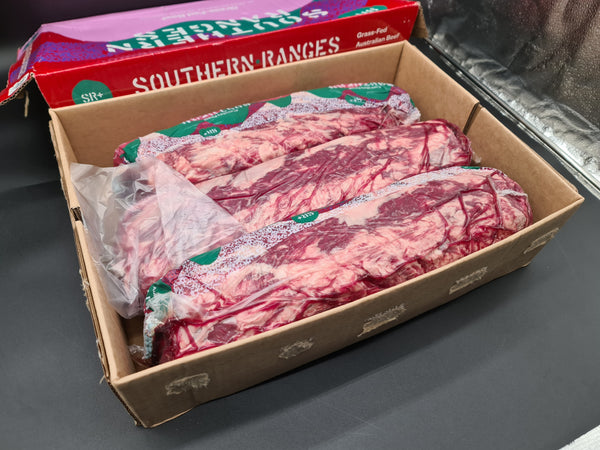
Scotch Cube Roll from $53/kg - 100% Grass-Fed & Finished Angus - Hormone Antibiotic Free - Southern Ranges SR+
Steakhouse quality at a fair price. This grass-fed scotch cube roll gives you around 4kg of 100% grass-fed and finished Australian Angus, MSA graded at...
Also Featured in This Recipe
Ingredients
For 4 servings
- 600ggrass fed scotch filletcut from a scotch cube roll and shaved thinly
- 1/2nashi pearpeeled and finely grated (marinade)
- 4 tbspsoy saucemarinade
- 2 tbspbrown sugarmarinade
- 4garlic clovesfinely grated (marinade)
- 2 tspgingerfinely grated (marinade)
- 1 tbspsesame oilmarinade
- 1/2 tspfreshly ground black peppermarinade
- 1 tbspgochujangoptional, for heat (marinade)
- 1/2 smallbrown onionthinly sliced (marinade)
- 3spring onionssliced (half for the marinade, half to serve)
- 1 tbspvegetable oilfor cooking
- 1 tbsptoasted sesame seedsto serve
- 4 cupshot steamed short-grain riceto serve
- 1butter lettuceleaves separated, to serve
- kimchito serve
Utensils
7 items to gather · Tap to tick off
- Very sharp chef's knife and chopping board
- Cling film
- Fine grater
- Large mixing bowl
- Cast iron pan or BBQ hotplate
- Tongs
- Serving platter
Cooking Steps
Part-freeze and shave
Wrap the scotch fillet tightly in cling film and freeze for 45 to 60 minutes, until firm but not frozen solid. Slice it across the grain as thinly as you can, about 2 to 3mm, and cut any large slices in half.
Make the marinade
In a large bowl, mix the grated pear, soy sauce, brown sugar, garlic, ginger, sesame oil, pepper and gochujang, if using, until the sugar dissolves. Stir in the sliced onion and half the spring onion.
Marinate
Add the beef and massage the marinade into every slice. Cover and refrigerate for at least 30 minutes and up to 4 hours; the pear keeps tenderising the beef the longer it sits.
Cook in batches
Heat a cast iron pan or BBQ hotplate over high heat until very hot and add a little of the oil. Lift the beef from the marinade, letting the excess drip off, and cook it in small batches in a single layer for 1 to 2 minutes per side, until caramelised at the edges and cooked through. Crowding the pan makes the beef stew rather than char.
Finish and serve
Pile the beef onto a platter, scatter with the sesame seeds and remaining spring onion, and serve with the rice, lettuce leaves and kimchi so everyone can wrap their own. Discard any leftover marinade.
Nutrition
Per Serving
Recipe serves 4Nutritional values are estimates only and may vary based on specific ingredients, brands, cuts, cooking method, and portion sizes. For medical or dietary purposes, please consult a qualified nutritionist.
Tips and Pairing
People Also Ask
What is Korean beef bulgogi? +
Korean beef bulgogi is thinly sliced beef marinated in soy sauce, sugar, garlic, sesame oil and grated pear, then cooked quickly over high heat until caramelised. The name means fire meat in Korean, after the traditional method of cooking over a flame. It is usually served with rice, lettuce leaves for wrapping and kimchi.
What cut of beef is bulgogi? +
Bulgogi is traditionally made with a tender, well-marbled cut such as rib eye, which is scotch fillet in Australia, and sirloin, our porterhouse, also works. The beef is sliced very thinly across the grain so it absorbs the marinade and cooks in a minute or two. Part-freezing a whole scotch fillet makes thin slicing easy at home.
What is the secret ingredient in bulgogi? +
The secret ingredient in bulgogi is grated Asian pear, sold as nashi in Australia. It adds a gentle, fruity sweetness, and its natural enzymes tenderise the thin slices of beef. Combined with soy sauce, garlic and toasted sesame oil, it gives bulgogi its sweet, savoury, caramelised flavour. A ripe regular pear can stand in at a pinch.
What do you eat beef bulgogi with? +
Beef bulgogi is usually eaten with steamed short-grain rice, lettuce leaves for wrapping, kimchi and a few small side dishes such as pickled cucumber or seasoned bean sprouts. A dab of gochujang in each wrap adds heat. For an easy weeknight meal, serve it over rice as a bulgogi rice bowl topped with a fried egg.
How long should bulgogi marinate? +
Marinate bulgogi for at least 30 minutes and no more than 4 hours in the fridge. Thin slices take on flavour quickly, and the enzymes in the pear keep tenderising the beef, so a long soak can make the surface soft. To prep ahead, freeze the beef in its marinade and thaw it overnight in the fridge before cooking.