
How long can you freeze meat comes down to the cut, but the short answer is reassuring. Stored at a steady -18°C, most raw meat stays safe to eat almost indefinitely.
The real limit is quality, since flavour, texture and moisture fade the longer meat sits frozen.
This guide covers freezer storage times for beef, lamb, pork, chicken and mince, explains the gap between safe and good, and shows how to freeze meat properly so none of it goes to waste.
How Long Can You Freeze Meat?
Frozen at -18°C or below, raw meat stays safe to eat indefinitely, but for the best quality you should use it within set windows that run from about one month for cured meats to a year for whole cuts. Those windows are about eating quality, not safety. Freezing at -18°C puts bacteria and spoilage on pause, so meat does not go off in the freezer the way it does in the fridge.
What changes over time is the meat itself. Ice crystals slowly damage the muscle fibres, the fat begins to turn, and moisture escapes from the surface, which dulls both flavour and texture once you cook it.
Here is a quick freezer storage guide for the most common cuts, based on guidance from FoodSafety.gov and the USDA Food Safety and Inspection Service.
| Meat | Best quality (frozen at -18°C) |
|---|---|
| Beef steaks | 6 to 12 months |
| Beef and lamb roasts | 4 to 12 months |
| Diced beef or lamb | 4 to 6 months |
| Pork chops and roasts | 4 to 6 months |
| Mince (beef, lamb, pork) | 3 to 4 months |
| Raw sausages | 1 to 2 months |
| Chicken and turkey, whole | up to 12 months |
| Chicken and turkey, pieces | up to 9 months |
| Bacon, ham and cured meats | 1 to 2 months |
| Cooked meat and leftovers | 2 to 3 months |
Treat these as best-before windows for flavour and texture, not hard safety deadlines. Meat held longer is still safe if it has stayed frozen solid at -18°C, though you may notice some quality loss once it is cooked.
Freezer Storage Times by Meat Type

Different cuts last different lengths of time in the freezer because of how much surface area and fat they have. Whole muscle cuts keep best, while mince and sausages have the shortest quality window.
Beef and Lamb
Steaks freeze well for 6 to 12 months, roasts hold quality for 4 to 12 months, and diced beef or lamb for around 4 to 6 months. Whole cuts last longest since less surface is exposed to the cold, dry freezer air.
Pork, Bacon and Cured Meats
Fresh pork chops and roasts keep for about 4 to 6 months. Bacon, ham and other cured meats have a much shorter window of 1 to 2 months, because their salt and fat content speeds up rancidity even while frozen.
Chicken and Poultry
A whole chicken or turkey freezes well for up to 12 months, while pieces such as breasts, thighs and drumsticks are best within 9 months. Poultry needs extra care, so keep it well sealed and freeze it quickly after purchase.
Mince and Sausages
Mince has the shortest quality window of all raw meat, around 3 to 4 months, because grinding exposes far more surface to air. Raw sausages are best used within 1 to 2 months, partly due to their seasoning and fat content.
Cooked Meat and Leftovers
Cooked meat, casseroles and leftovers keep for 2 to 3 months in the freezer. Cool them quickly before freezing, portion into meal-sized containers, and label each one so you can rotate older meals to the front.
Is Frozen Meat Safe to Eat After a Year?
Yes, frozen meat is safe to eat after a year, and in theory indefinitely, as long as it has been kept frozen solid at -18°C the entire time. The storage times above are about eating quality, not food safety.
A steak frozen for 18 months will not make you sick if it has stayed properly frozen, though it may taste flat or feel dry once cooked. This is why meat frozen for two years, or even longer, is generally still safe, even if few people would call it at its best.
The one thing that really matters is a steady temperature. Meat that has partly thawed and refrozen, or sat in a freezer that runs warm, loses quality much faster and carries more risk. For the full picture on fridge and freezer storage, see our guide on how to store meat safely.
What Is Freezer Burn, and Is It Dangerous?

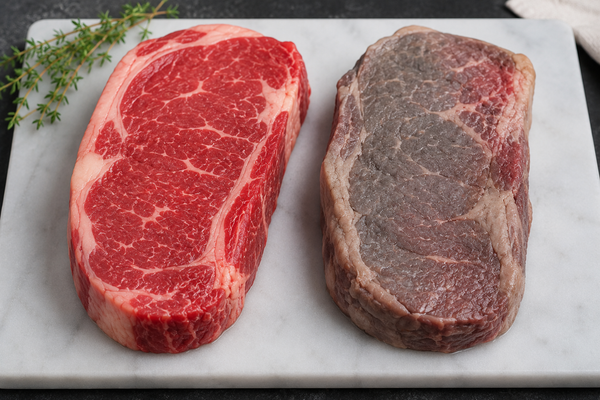
Freezer burn is not dangerous, just unappetising. It happens when air reaches the surface of frozen meat and draws out moisture, leaving dry, greyish-brown patches.
Those pale, leathery spots are simply dehydrated meat and oxidised fat. Freezer-burnt meat is safe to eat, but the affected areas can taste dull and cook up tough, so most people trim them away before cooking. Heavy freezer burn across a whole cut usually means the quality is no longer worth it.
The good news is that freezer burn is easy to prevent with proper wrapping, which we cover next.
How to Freeze Meat Properly (and Avoid Waste)
To freeze meat well, wrap it airtight, freeze it while it is fresh, and keep your freezer at -18°C or below. A few simple habits make the difference between meat that cooks like new and meat that ends up freezer-burnt and tossed out.
- Freeze while fresh: freeze meat well before its use-by date, not as a last resort once it is about to turn.
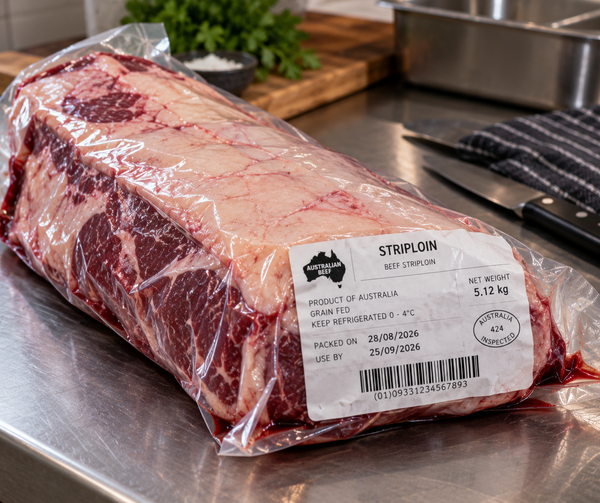
- Wrap it airtight: vacuum-seal where you can, or use freezer bags with the air pressed out, and double-wrap supermarket trays.
- Portion before freezing: freeze in meal-sized amounts so you only ever thaw what you need.
- Label and date everything: note the cut and the date frozen so you can use the oldest meat first.
- Freeze quickly: spread packages out so they freeze fast, then stack them once solid.
Freezing well is also what makes buying premium meat in bulk worthwhile. A larger order from Cost Cut Meats can be portioned and frozen on the day it arrives, so you lock in quality and spread the value across weeks of meals.
Thawing and Refreezing Safely
The safest way to thaw meat is slowly in the fridge, never on the bench at room temperature. Fridge thawing keeps meat out of the temperature range where bacteria multiply quickly.
For a faster option, seal the meat in a bag and submerge it in cold water, changing the water every 30 minutes. Avoid leaving meat on the kitchen counter, since the outside warms long before the centre has thawed.
You can refreeze meat that has been thawed in the fridge, though expect some quality loss each time. Meat thawed in cold water or the microwave should be cooked before refreezing. For a full breakdown of safe methods, see our guide on how to defrost meat.
Fridge vs Freezer: How Long Does Meat Last?
The fridge buys you days, while the freezer buys you months. Raw steaks, chops and roasts last about 3 to 5 days in the fridge, and mince, sausages and poultry only 1 to 2 days.
That makes the freezer the right call for anything you will not cook within a couple of days. If you are unsure how much time a cut has left in the fridge, our guide on how long does steak last in the fridge breaks it down. As a rule, when in doubt, freeze it sooner rather than later.
Conclusion
How long you can freeze meat depends on the cut, but at -18°C it stays safe far longer than it stays at its best. Use whole cuts within a year, mince within a few months, and wrap everything airtight. Order premium cuts from Cost Cut Meats and freeze them with confidence.