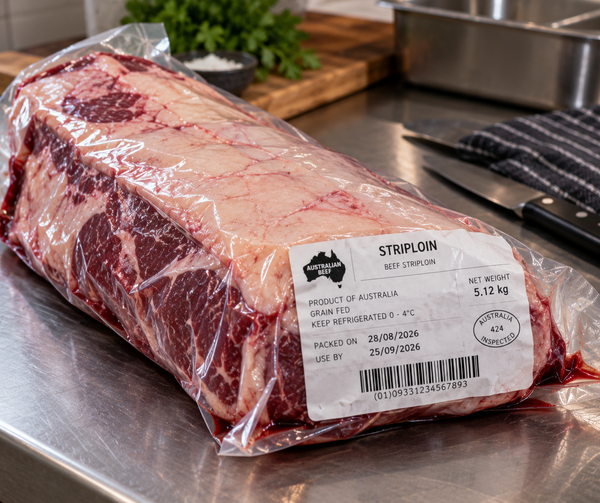

You can tell if steak has gone off with three quick checks: smell, colour and texture. Off steak smells sour, eggy or like ammonia, feels slimy or sticky, and often turns a dull grey-green.
A steak that fails any of these, or that has sat in the fridge longer than 3 to 5 days, should be thrown out. This guide walks through each sign, explains why grey steak is usually still safe to eat, and shows you exactly when to cook your steak and when to bin it.
How can you tell if steak has gone off?
The fastest way to tell if steak has gone off is to smell it, look at its colour and feel its surface. Fresh raw steak has a faint, clean, slightly metallic smell, a deep red to purplish colour, and a firm, just-moist surface. Spoiled steak gives off a sour, eggy or ammonia odour, develops a dull grey-green tinge or a slimy film, and feels sticky or tacky.
Use the three signs together rather than relying on one. Colour alone can mislead, because steak naturally darkens in the pack. Smell and texture are the most reliable signs of true spoilage.
A simple rule: if two or more checks raise a concern, or the meat is past its use-by date and was poorly stored, throw it out. Food Standards Australia New Zealand advises that with any perishable food, if in doubt, throw it out. Doubt over a raw steak is never worth a bout of food poisoning.
Smell: what off steak smells like
Off steak smells sour, rancid, eggy or like ammonia, and the odour does not cook away. Fresh raw beef has only a faint metallic or iodine-like scent that should not be off-putting. Once bacteria take hold, the smell turns sharp and unpleasant, often compared to vinegar, bleach or rotten eggs.
There is one common exception worth knowing.
Vacuum-sealed steak can release a slightly sour, confined smell the moment you open the pack, because the meat has been resting without air. This confinement odour usually fades within a few minutes once the steak breathes.
If the smell clears and the colour and texture look right, the steak is generally fine. If the odour is strong, lingers, or smells like ammonia or eggs, do not cook it. A rancid smell will still be there after searing or roasting, so you cannot mask true spoilage with heat or seasoning.
Colour: grey, brown or green

Grey or brown steak is usually still safe to eat, while a green, iridescent or slimy film points to spoilage. Fresh beef is bright red because the pigment myoglobin reacts with oxygen. Remove that oxygen, such as inside a vacuum pack or deep in the centre of the meat, and the steak turns brown or grey. The USDA confirms this colour change is caused by oxidation, not spoilage, and is perfectly normal.
So is grey steak safe to eat? In most cases, yes, especially if it was vacuum-sealed or has only just been cut. Give it a few minutes in the air and it often blooms back to red.
What you should not ignore is a dull green or rainbow sheen, yellowish patches, or any visible mould. These suggest bacterial growth and mean the steak should go in the bin. Curled, dried edges combined with off colour are another warning sign. When colour is your only concern, fall back on the smell and touch tests to confirm, because a colour shift on its own rarely means a steak is unsafe.
Texture: slimy or sticky
Fresh steak feels firm and slightly moist, while spoiled steak feels slimy, sticky or tacky. Run a clean finger over the surface. Good raw beef is cool and damp but not wet, and it should not leave a slippery residue. A sticky or slimy film is one of the clearest signs that bacteria have multiplied, and it usually appears alongside an off smell.
Try the press test too. Press gently into the steak and it should spring back. If a dent or pit stays put, the meat is either spoiling or has been frozen and thawed repeatedly, which damages the texture.
A slimy surface plus a sour smell is an easy call: throw it out. Always wash your hands and any utensils that touched the raw meat afterwards, as the NSW Food Authority advises for safe handling of raw red meat.
How long does steak last before it goes off?
Raw steak keeps for 3 to 5 days in the fridge at or below 5C, while mince and offcuts are best used within 1 to 2 days. Storage time is one of the most reliable guides to whether a steak is still good. Keep your fridge at or below 5C, ideally around 3 to 4C, and store steak in the coldest part, usually the bottom shelf, so juices cannot drip onto other food.
Use-by and sell-by dates help, but they are not the whole story. A sell-by date tells the shop when to pull stock, while a use-by date is the last day to safely cook the meat, so buy by the sell-by and cook or freeze before the use-by.
A well-stored steak may be fine a day past, while a poorly stored one can spoil early. For more detail, see our guides on how long steak lasts in the fridge and how to store meat safely. If you will not use it in time, freezing stops the clock, and our guide to how long you can freeze meat covers safe freezer times.
When steak is safe versus when to throw it out

Cook the steak if it passes all three checks and is within its storage window, and throw it out if it fails on smell or texture, shows green or mould, or has been refrigerated too long. Use this simple rule: one minor concern, such as slight browning, is usually fine once the smell and touch tests pass. Two or more concerns, or any sour smell, slimy film, green tinge or mould, means bin it.
Never taste raw or suspect steak to check it, and do not rely on cooking to fix spoiled meat. High heat kills many bacteria but not the toxins some leave behind, so a rancid steak can still make you unwell. Eating spoiled beef risks food poisoning from bacteria such as Salmonella, E. coli and Listeria, with symptoms like stomach cramps, nausea and fever. If you are thawing frozen steak, do it safely in the fridge rather than on the bench, as our how to defrost meat guide explains. When in doubt, throw it out.
Conclusion
Telling if steak has gone off comes down to three checks: smell, colour and texture, backed by how long it has been stored. Trust a sour smell or a slimy feel over colour alone, and bin anything questionable.