Beef Stir Fry with Tender Rump Strips
Introduction
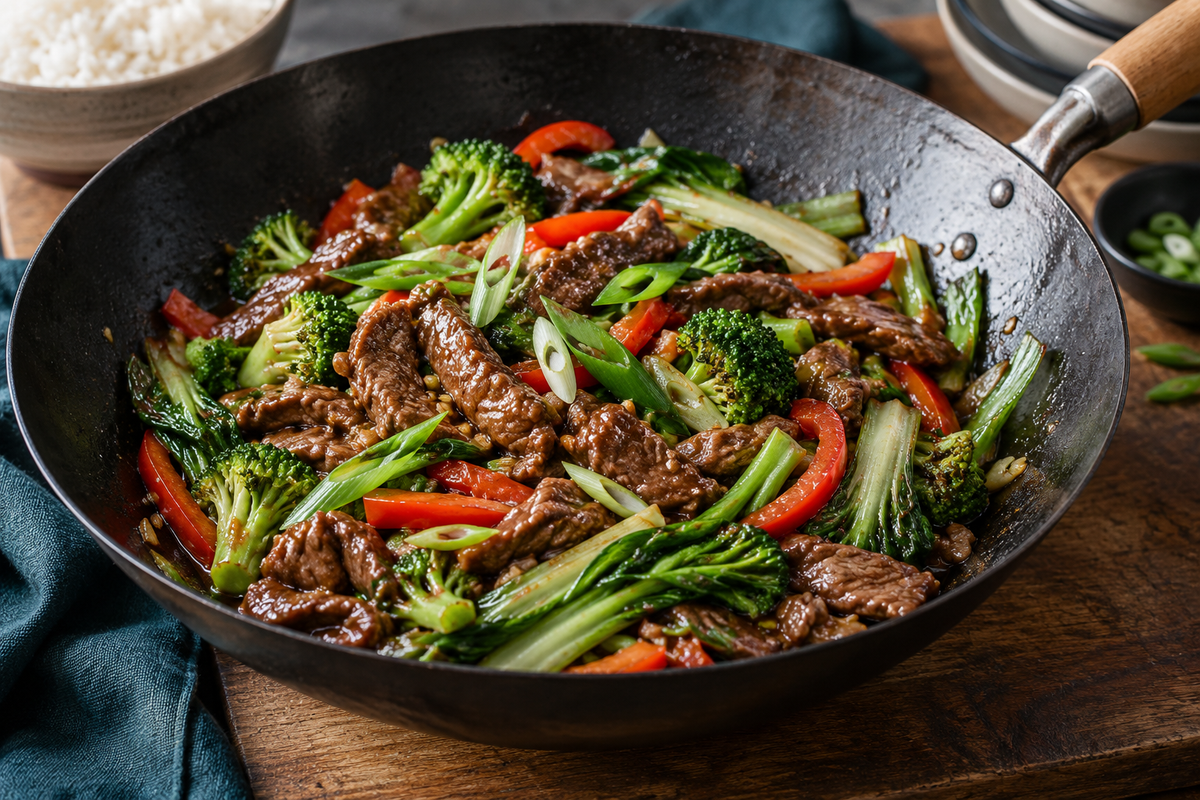
A beef stir fry is thin strips of beef seared fast in a very hot wok, then tossed with crisp vegetables and a glossy soy, oyster and garlic sauce, all in about 10 minutes of cooking.
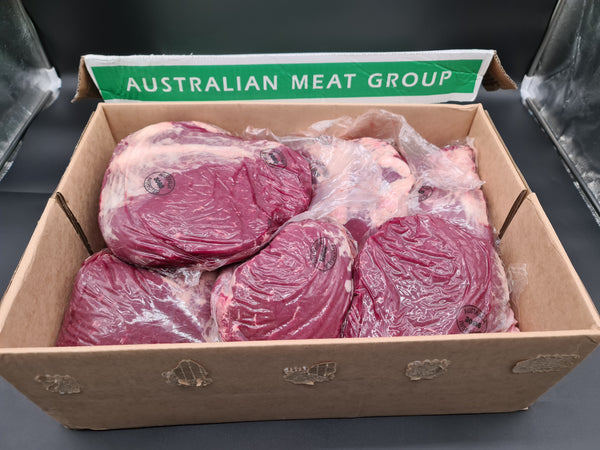
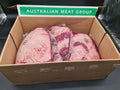
The secret to tender beef is the cut and the knife work: grass-fed rump or rostbiff, sliced thinly across the grain, then lightly velveted so the strips stay juicy in the heat.
This recipe cooks the beef in batches to keep the wok hot, and the same base sauce turns into honey soy or a noodle stir fry with one easy change.
Ingredients
For 4 servings
- 500ggrass fed rump or rostbiffsliced thinly across the grain
- 1/2 tspbicarbonate of sodavelveting
- 2 tspcornflourvelveting
- 1 tbsplight soy saucevelveting
- 3 tbspvegetable or peanut oildivided
- 3garlic clovesfinely chopped
- 1 tbspfresh gingerfinely grated
- 250gbroccolicut into small florets
- 1red capsicumsliced
- 2baby bok choyquartered
- 4spring onionscut into 4cm lengths
- 3 tbspoyster saucesauce
- 2 tbsplight soy saucesauce
- 1 tbspShaoxing wineoptional (sauce)
- 1 tspsesame oilsauce
- 1 tspbrown sugarsauce
- 1 tspcornfloursauce
- 80mlwatersauce
- steamed jasmine rice or egg noodlesto serve
Utensils
7 items to gather · Tap to tick off
- Wok or large heavy frying pan
- Sharp knife
- Chopping board
- Mixing bowls
- Small jug and whisk
- Wok spatula or wooden spoon
- Plate for the seared beef
Cooking Steps
Slice the beef
Put the beef in the freezer for 20 to 30 minutes so it firms up, then trim off any fat and silverskin. Find the direction of the grain and slice across it into strips about 5mm thick and 5cm long.
Velvet the strips
Toss the strips with the bicarbonate of soda, cornflour and soy sauce until evenly coated. Leave them in the fridge for 20 to 30 minutes.
Mix the sauce
Whisk the oyster sauce, soy sauce, Shaoxing wine, sesame oil, sugar, cornflour and water in a small jug until smooth.
Sear the beef in batches
Heat a wok over very high heat until it just starts to smoke. Add 1 tbsp of the oil and half the beef in a single layer, leave it for 30 seconds to brown, then toss for another 30 to 60 seconds until browned but still slightly pink in the centre. Tip onto a plate and repeat with another 1 tbsp oil and the rest of the beef.
Stir fry the vegetables
Add the remaining oil to the wok, then the garlic and ginger, and stir for 15 seconds. Add the broccoli and capsicum with a splash of water and toss for 2 minutes, then add the bok choy and spring onion for 1 minute more.
Bring it together
Return the beef and any juices to the wok, give the sauce a stir and pour it in. Toss for 30 to 60 seconds until the sauce is glossy and thickened and the beef is hot through. Serve straight away with rice or noodles.
Nutrition
Per Serving
Recipe serves 4Nutritional values are estimates only and may vary based on specific ingredients, brands, cuts, cooking method, and portion sizes. For medical or dietary purposes, please consult a qualified nutritionist.
Tips and Pairing
People Also Ask
What is the secret to a good beef stir fry? +
The secret is a very hot wok and small batches. Slice the beef thinly across the grain, velvet it briefly, and sear it in a single layer so it browns instead of stewing. Cook the vegetables separately, then bring everything together with the sauce for the final minute so nothing overcooks and the beef stays tender.
What is the best cut of beef for stir fry? +
Rump is the best all-round cut for stir fry, with real beefy flavour, good value and enough marbling to stay juicy. Rostbiff, the centre of the rump, slices into the neatest strips. Scotch fillet and eye fillet work too but cost more, while slow-cooking cuts such as chuck turn tough in a fast stir fry.
How do you keep beef tender in a stir fry? +
Slice the beef about 5mm thick across the grain so the fibres are short, then toss it with a little bicarbonate of soda and cornflour for 20 to 30 minutes. Sear it in small batches in a smoking hot wok for only a minute or two, and return it at the end so it does not overcook.
What is velveting beef? +
Velveting is a Chinese cooking technique that keeps sliced meat soft and juicy. The strips are tossed with a small amount of bicarbonate of soda, cornflour and soy sauce, then rested before cooking. The bicarbonate helps the meat hold moisture and the cornflour forms a light coating that protects it in the heat of the wok.
How long do you stir fry beef strips? +
Thin beef strips need only 1 to 1.5 minutes in a smoking hot wok. Let them sit for 30 seconds to brown, toss for another 30 to 60 seconds, then take them out while still slightly pink. They finish cooking when you return them to the sauce for the last minute, which keeps them tender.