Beef Carpaccio with Eye Fillet
Introduction
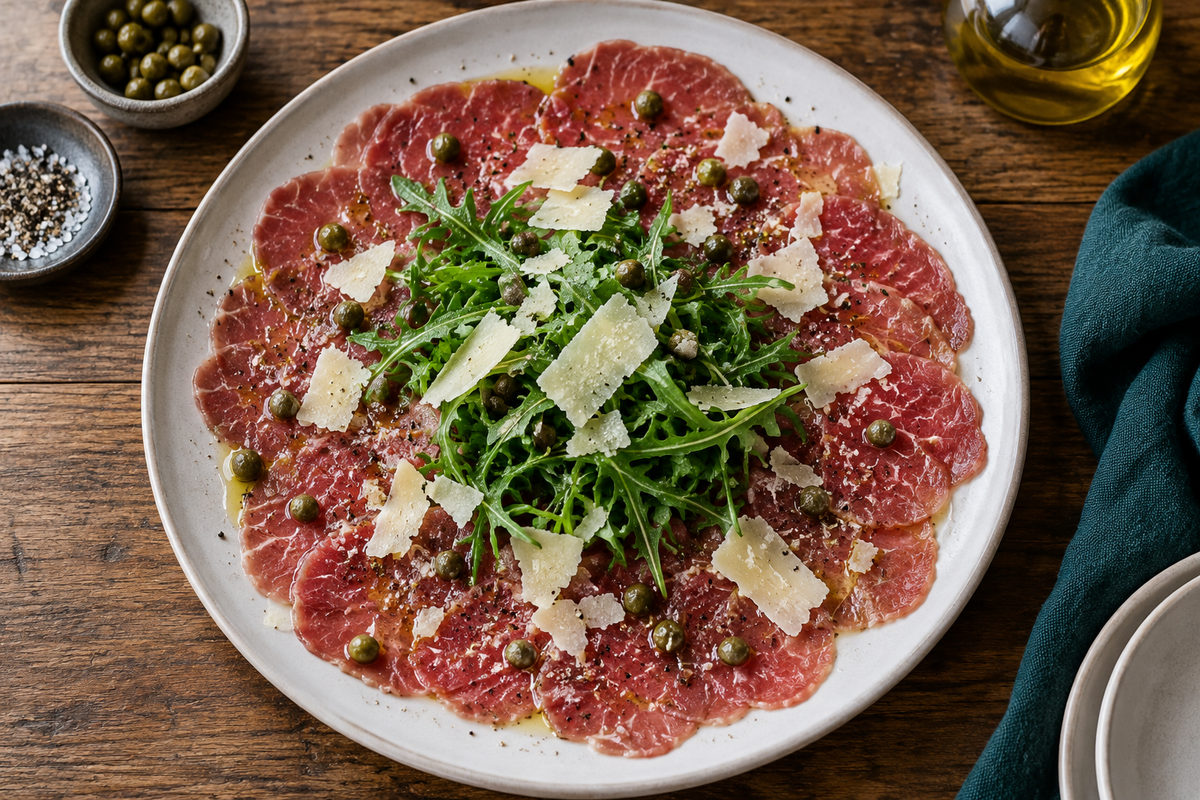
Beef carpaccio is a starter of raw beef fillet sliced paper-thin, pressed flat and dressed with olive oil, lemon, rocket, shaved parmesan and capers.
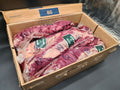
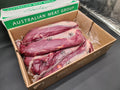
It is all about texture: silky, almost melting slices with a bright, peppery finish. A centre-cut grass-fed eye fillet is the ideal cut because it is lean, fine-grained and evenly round, and a short firm-up in the freezer makes thin slicing easy at home.
Because the beef is eaten raw, it needs the freshest whole cut and careful handling, and it is not suitable for pregnant women, older people, young children or anyone with a weakened immune system.
Ingredients
For 4 servings
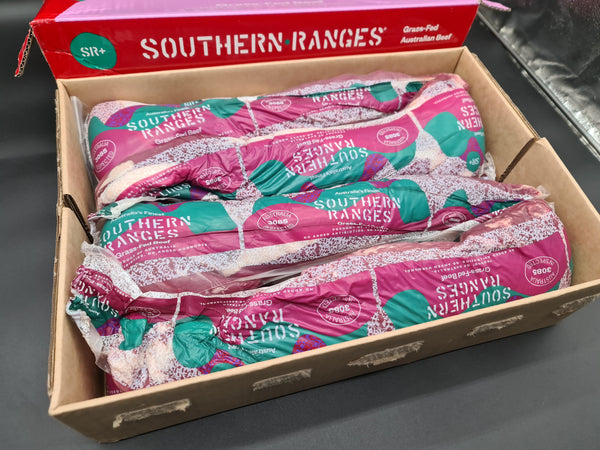
- 400gcentre-cut grass-fed eye filletin one piece, trimmed from a whole fillet
- 1 tspolive oilfor the optional sear
- 60mlextra virgin olive oil
- 2 tbsplemon juice
- sea salt flakes and freshly ground black pepperto season
- 40gwild rocket
- 40gparmesanshaved
- 1 tbspsmall capersrinsed and drained
Utensils
9 items to gather · Tap to tick off
- Long, sharp slicing knife
- Clean chopping board for raw meat
- Paper towel
- Heavy frying pan, for the optional sear
- Cling film
- Baking paper
- Rolling pin or flat meat mallet
- Chilled serving plates
- Small bowl and whisk
Cooking Steps
Trim the fillet
Wash your hands and use a clean board and knife. Take the eye fillet straight from the fridge and remove every trace of silverskin and fat, keeping the piece as round and even as possible. Pat it dry with paper towel.
Sear the outside (optional)
Heat a heavy frying pan over very high heat, rub the fillet with the olive oil and sear for 20 to 30 seconds on each side, including the ends, just to colour the surface. Cool it on a clean plate in the fridge. The centre stays raw.
Wrap and firm
Roll the fillet tightly in cling film into a neat log, twisting the ends to firm it up. Freeze for about 1 hour, until firm on the outside but not frozen through.
Slice paper-thin
Unwrap the fillet and, with your longest, sharpest knife, slice it across the grain into rounds about 2mm thick, using long single strokes.
Flatten the slices
Lay a few slices at a time between two sheets of baking paper and gently roll or tap them with a rolling pin until about 1mm thick and almost see-through. Arrange in a single overlapping layer on chilled plates, cover and keep in the fridge until you are ready to serve.
Dress and serve
Just before serving, whisk the extra virgin olive oil and lemon juice with a pinch of salt. Drizzle over the beef, then scatter with rocket, parmesan, capers, sea salt flakes and pepper. Serve straight away.
Nutrition
Per Serving
Recipe serves 4Nutritional values are estimates only and may vary based on specific ingredients, brands, cuts, cooking method, and portion sizes. For medical or dietary purposes, please consult a qualified nutritionist.
Tips and Pairing
People Also Ask
What is beef carpaccio? +
Beef carpaccio is an Italian starter of raw beef sliced paper-thin and dressed with olive oil, lemon and toppings such as rocket, parmesan and capers. It is usually made with eye fillet, also called tenderloin, because it is lean and tender. The slices are flattened until almost see-through and served cold, straight after dressing.
Is beef carpaccio completely raw? +
Yes, classic beef carpaccio is completely raw. Some cooks briefly sear the outside of the whole fillet before chilling and slicing it, which adds a thin cooked edge, but the centre stays raw either way. The lemon in the dressing changes the colour of the beef slightly but does not cook it or make it safer.
Why is beef carpaccio okay to eat? +
Carpaccio uses a fresh whole cut, where bacteria sit mainly on the surface, so careful handling lowers the risk. Use the freshest whole fillet, keep it cold, work with clean hands and boards, never use mince and serve straight away. The Food Safety Information Council warns raw meat carries a food-poisoning risk that pregnant women, older people, young children and anyone with weakened immunity should avoid.
What cut of beef is best for carpaccio? +
The best cut for carpaccio is the centre of a whole eye fillet, also called tenderloin. It is the most tender cut, very lean and evenly round, so it slices into neat, uniform rounds. Buy it as a whole piece and trim it yourself, keeping the head and tail for a stir fry. For a richer version, a Wagyu tenderloin works too.
How are you supposed to eat beef carpaccio? +
Eat beef carpaccio cold, as a starter, as soon as it is dressed. Use a fork to fold a slice around some rocket, parmesan and a caper so every bite has beef, salt and acidity together. Crusty bread or crostini are good for mopping up the olive oil and lemon left on the plate.