
Angus beef is everywhere: on steakhouse menus, burger boards and butcher labels across Australia. But most shoppers could not say what the word actually guarantees, and the honest answer is less than you might think.
This guide explains what Angus beef is, why it became the default name for quality, whether it really is better than regular beef, and how to use marble score and grading to buy a genuinely good Angus steak online rather than just a familiar label.
What Does Angus Actually Mean?

Angus is a cattle breed, not a quality grade: the name tells you the animal's genetics, not how good the beef is. That single fact clears up most of the confusion around the label.
The breed began as Aberdeen Angus in the cattle country of north east Scotland, prized for maturing early and carrying fat through the muscle rather than around it. Black Angus is simply the dominant black-coated strain, and it adapted so well to Australian conditions that Angus is now the backbone of the country's premium beef herd.
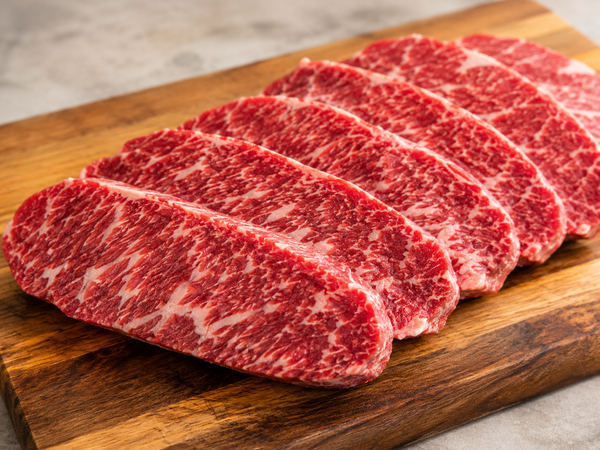
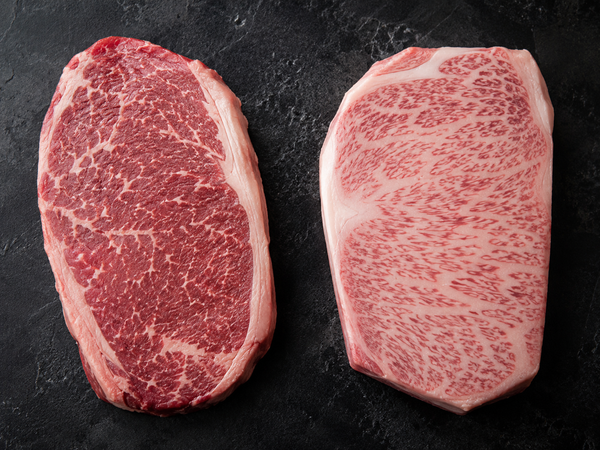
What made the breed famous is marbling. Angus cattle lay down fine intramuscular fat more reliably than most breeds, which is what gives a good Angus steak its flavour and tenderness. But genetics only set the potential. Feeding, age and handling decide whether an individual steak lives up to it, which is why two cuts labelled Angus can eat very differently.
Why Is Angus Beef So Popular?
Angus beef became popular because it delivers consistent marbling at scale, and because decades of clever marketing turned the breed name into shorthand for quality.
For producers and butchers, consistency is the real draw. Angus herds produce predictable carcases with dependable marbling, so restaurants and retailers can promise a similar eating experience week after week. That reliability is why Angus dominates premium beef programs in Australia and beyond.
The marketing story runs alongside it. Burger chains discovered that Angus on the menu justified a premium price, and certification programs overseas built entire brands on the name. None of that is a scam, but it means the word on the label is doing promotional work as well as descriptive work. The popularity is earned by the average, not guaranteed for every steak.
Is Angus Beef Actually Better?

On average, yes: Angus marbles better than most breeds, but the label alone guarantees nothing, so the grade matters more than the name.
When you compare an Angus scotch fillet against a generic supermarket steak, the Angus will usually win on flavour and tenderness because of that marbling advantage. The breed earns its reputation across thousands of carcases.
For any single steak, though, the verifiable numbers beat the breed name. A marble score tells you exactly how much intramuscular fat the cut carries, and MSA grading tells you it met an independent eating-quality standard. An MB4 Angus steak and an MB1 Angus steak are different products at different prices, and both can legally wear the same breed label. Buy the score, not the sticker.
Angus vs Wagyu: Which Should You Buy?
Choose Angus for classic beef flavour at everyday prices, and Wagyu when you want maximum marbling richness for an occasion.
| Factor | Angus | Wagyu |
|---|---|---|
| Marbling | Consistent, moderate (typically MB1 to MB4) | Intense (MB2+ up to MB9+) |
| Flavour | Bold, classic beef flavour | Rich, buttery, more intense per bite |
| Price guide | From $26/kg for value cuts | From $34/kg up to $77/kg |
| Best for | Weeknight steaks, roasts, burgers | Occasions, gifts, smaller indulgent serves |
The two breeds reward different appetites more than one being outright better. Our full Wagyu vs Angus comparison goes deeper on flavour, cooking and value if you are weighing up a splurge.
What Makes Grass Fed Angus Different?
Grass fed Angus combines the breed's natural marbling with the leaner profile and cleaner flavour of pasture-raised beef, and 100% grass fed and finished is the label that guarantees it.
Most premium Angus in Australia is either pasture raised for life or finished on grain for extra marbling. Grain finishing pushes marble scores higher; pasture finishing keeps the meat leaner with a beefier, more mineral flavour. Neither is wrong, and our grass fed vs grain fed beef guide covers the trade-offs in detail.
The label to trust is "100% grass fed and finished", which means pasture from start to end with no feedlot period. At Cost Cut Meats, our Southern Ranges Angus is 100% grass fed and finished as well as hormone and antibiotic free, and our AMG range brings 100% grass fed Angus in at sharper price points. The breed gives you the marbling floor; the feeding system decides the style.
How to Buy Good Angus Beef Online
Buying good Angus online means checking three things past the breed name: the feeding claim, the marble score or grade, and the price per kilo.
Start with the numbers. A 100% grass fed Angus rump cap starts around $28/kg to $33/kg depending on supplier, a grass fed Angus porterhouse sits near $32/kg, and premium scotch fillet runs from $39/kg for budget-graded lines to around $53/kg for top grass fed and finished beef. If a listing will not state its feeding system or grade, the Angus name is doing all the work, and you should shop elsewhere.
A well-labelled example reads like our 100% grass fed Angus scotch fillet or the value-focused Angus rump cap: breed, feeding, grade and per-kg price all stated up front. For matching the right Angus cut to the right cook, the Australian beef cuts guide covers every option from rump to eye fillet.
Conclusion
Angus earned its reputation honestly: reliable marbling, consistent eating quality and a breed that suits Australian conditions. Just remember it is a breed, not a grade, so let marble score, feeding and price per kilo make the final call. When you are ready, Cost Cut Meats delivers 100% grass fed Angus Australia wide.