Homemade Steak Seasoning (Plus When to Salt Your Steak)
Introduction
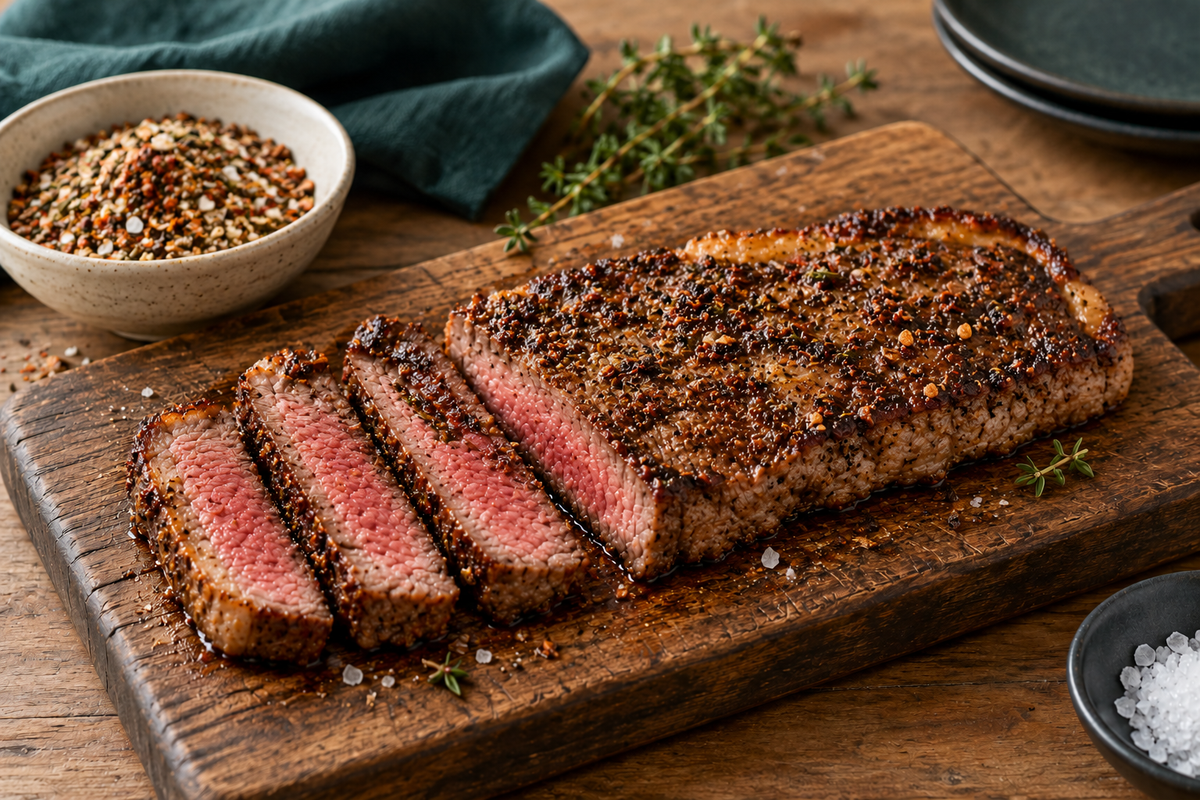
The best steak seasoning starts with salt and pepper, and this homemade steak seasoning builds on them with garlic powder, onion powder, smoked paprika and dried thyme for a savoury crust that never hides the beef.
Simple seasoning suits quality grass-fed porterhouse steak and scotch fillet, where the flavour of the meat should lead.
Timing matters as much as the rub itself: salt your steak either just before it hits the pan or at least 40 minutes ahead, or dry brine it overnight in the fridge for the deepest seasoning and the best crust.
Ingredients
For 4 servings
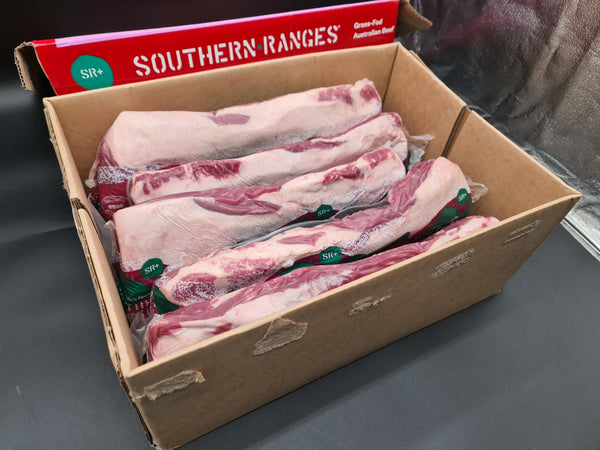
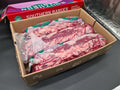
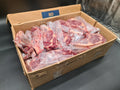
- 4 x 250ggrass fed porterhouse or scotch fillet steaksabout 2.5cm thick
- 1 tbspolive oil
- 2 tbspsea salt flakesrub
- 1 tbspcoarsely cracked black pepperrub
- 2 tspgarlic powderrub
- 2 tsponion powderrub
- 1 tspsmoked paprikarub
- 1 tspdried thyme or rosemarycrumbled (rub)
- 1/2 tspchilli flakesoptional (rub)
Utensils
8 items to gather · Tap to tick off
- Small jar with a lid
- Small mixing bowl
- Paper towel
- Wire rack and tray
- Heavy-based frying pan or cast-iron skillet
- Tongs
- Digital probe thermometer
- Sharp knife and chopping board
Cooking Steps
Mix the rub
Lightly crush the salt flakes between your fingers, then mix them with the pepper, garlic powder, onion powder, paprika, thyme and chilli flakes in a small bowl. Store in a clean, airtight jar.
Dry the steaks
Take the steaks out of their packaging and pat them completely dry with paper towel, because a dry surface browns faster and holds the seasoning.
Season ahead
Sprinkle about 2 tsp of the rub over each steak, covering both sides and the edges, and press it on lightly. Set the steaks on a wire rack over a tray and leave them for 40 minutes. To dry brine for longer, refrigerate them uncovered on the rack overnight, then take them out 20 minutes before cooking.
Pat and heat the pan
Dab away any moisture on the surface of the steaks. Heat the oil in a heavy frying pan over medium-high to high heat until shimmering.
Sear the steaks
Cook the steaks for 3 to 4 minutes per side, turning every minute for an even crust, until a probe in the centre reads 57C for medium rare. Lower the heat a little if the rub starts to blacken.
Rest and slice
Rest the steaks on a warm plate for 5 minutes, then slice across the grain and finish with a pinch of salt flakes if needed.
Nutrition
Per Serving
Recipe serves 4Nutritional values are estimates only and may vary based on specific ingredients, brands, cuts, cooking method, and portion sizes. For medical or dietary purposes, please consult a qualified nutritionist.
Tips and Pairing
People Also Ask
What should I season my steak with? +
Season steak with salt and freshly ground black pepper as the base, because they bring out the flavour of the beef without hiding it. For more depth, add a simple rub of garlic powder, onion powder, smoked paprika and dried thyme. Keep heavily marbled steaks simple, and save bolder rubs for leaner cuts such as rump and eye fillet.
What is the best seasoning for steak? +
The best seasoning for steak is good salt and coarsely cracked black pepper, applied at the right time. A homemade rub of salt flakes, pepper, garlic powder, onion powder, smoked paprika and thyme adds a savoury crust without masking the beef. Making it yourself lets you control the salt and keeps the spices fresher than most bought blends.
When should you salt a steak? +
Salt a steak either just before it goes into the pan or at least 40 minutes ahead. Salting 40 minutes or more beforehand lets the salt draw out moisture, dissolve and soak back in, seasoning the meat more deeply. Avoid salting 5 to 30 minutes before cooking, when moisture still sits on the surface and stops the steak searing well.
How much salt should you put on a steak? +
Use about 1% of the steak's weight in salt, which is roughly 3/4 teaspoon of salt flakes for a 250g steak, or half that volume of fine salt. Thick steaks need a little more than thin ones, because there is more meat under each square centimetre of surface. Season all sides and the edges evenly.
Is it worth dry brining steak overnight? +
Yes, dry brining steak overnight is worth it if you have the time. Salting the steak and leaving it uncovered on a rack in the fridge seasons it more deeply and dries the surface, which gives a darker, crisper crust. Keep it on the bottom shelf, below ready-to-eat food, and cook it within 24 hours.