Mongolian Beef

Introduction
Mongolian beef is thinly sliced beef coated in cornflour, fried until crisp, then tossed through a glossy sauce of soy, brown sugar, garlic and ginger with plenty of spring onion.
The result is sticky on the outside, tender in the middle and gone in minutes. Lean, full-flavoured grass-fed rump is the cut to use, because it slices cleanly into thin strips and stays tender in a fast, hot fry.
This recipe shows you how to part-freeze and slice the rump, how to keep the coating crisp once it meets the sauce, and how to get dinner on the table with about 15 minutes of actual cooking.
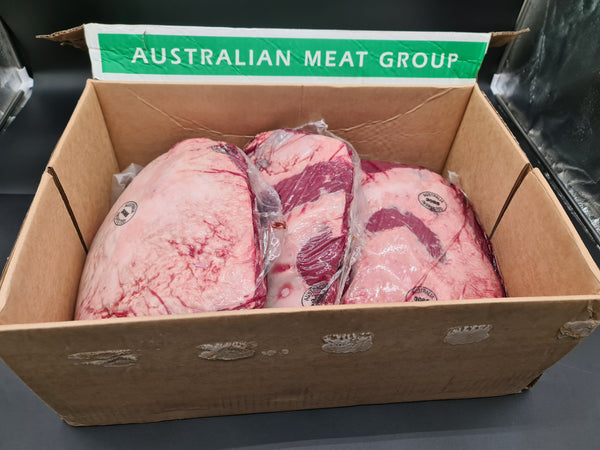
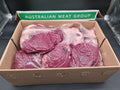
Rump from $26/kg - 100% Grass-Fed Angus Beef - AMG
The best value beef buy in the shop. This whole rump primal gives you the entire grass-fed Black Angus rump in one piece, including picanha...
Also Featured in This Recipe
Ingredients
For 4 servings
- 600ggrass fed rump or rostbifftrimmed of fat and sinew
- 1/2 cup (75g)cornflour
- pinchsea salt
- 1 cup (250ml)peanut or vegetable oilfor shallow frying
- 4garlic clovesfinely chopped (sauce)
- 1 tbspgingerfinely grated (sauce)
- 4spring onionscut into 4cm lengths, whites and greens separated
- 1/3 cup (80ml)salt-reduced soy saucesauce
- 1/3 cup (75g)brown sugarfirmly packed (sauce)
- 1/3 cup (80ml)watersauce
- 1 tbspShaoxing wine or dry sherryoptional (sauce)
- 1 tspsesame oilsauce
- 1/4 tspchilli flakesoptional (sauce)
- 1 tsptoasted sesame seedsto garnish
- steamed jasmine riceto serve
Utensils
9 items to gather · Tap to tick off
- Wok or large deep frying pan
- Sharp chef's knife and chopping board
- Cling film
- Large mixing bowl
- Digital thermometer for the oil
- Slotted spoon or spider strainer
- Wire rack set over a tray
- Heatproof bowl
- Measuring jug
Cooking Steps
Part-freeze the rump
Wrap the rump tightly in cling film and freeze for 30 to 45 minutes, until it is firm on the outside but not frozen through. Firm beef is far easier to slice thinly and evenly.
Slice across the grain
Look for the lines of muscle fibre running along the rump and slice across them into pieces 3 to 5mm thick. Cut any wide slices into strips about 5cm long, then pat them dry with paper towel.
Coat in cornflour
Toss the beef with the cornflour and a pinch of salt in a large bowl until every strip is coated. Shake off the excess and spread the strips on a tray for 5 minutes so the coating hydrates and clings.
Mix the sauce
Stir the soy sauce, brown sugar, water, Shaoxing wine, sesame oil and chilli flakes together in a jug until the sugar dissolves.
Fry in batches
Heat the oil in a wok over high heat to 180C. Fry the beef in three batches for 2 to 3 minutes each, turning, until golden and crisp. Lift onto a wire rack set over a tray and let the oil come back to 180C before the next batch.
Reduce the sauce
Turn off the heat and carefully ladle all but 1 tbsp of the oil into a heatproof bowl to cool. Over medium heat, fry the garlic, ginger and spring onion whites for 30 seconds until fragrant, then pour in the sauce and simmer for 2 to 3 minutes, until it is syrupy and glossy.
Toss and serve
Add the crisp beef and spring onion greens to the wok and toss for about 30 seconds, just until every strip is coated. Scatter with sesame seeds and serve straight away over steamed rice.
Nutrition
Per Serving
Recipe serves 4Nutritional values are estimates only and may vary based on specific ingredients, brands, cuts, cooking method, and portion sizes. For medical or dietary purposes, please consult a qualified nutritionist.
Tips and Pairing
People Also Ask
What is Mongolian beef sauce made of? +
Mongolian beef sauce is made from soy sauce, brown sugar and water, simmered with fresh garlic and ginger until it turns thick and glossy. A splash of Shaoxing wine adds depth, sesame oil gives a toasty finish and a pinch of chilli flakes adds gentle warmth. The cornflour on the fried beef thickens the sauce further as everything is tossed together.
What is the secret to crispy Mongolian beef? +
The secret is a dry cornflour coating fried in hot oil, then tossed through the sauce at the last moment. Slice the beef thin, pat it dry, coat it well and fry in small batches at 180C so the oil stays hot. Once the sauce is glossy, add the beef, toss for about 30 seconds and serve straight away before the coating softens.
What is Mongolian beef on a Chinese menu? +
On a Chinese restaurant menu, Mongolian beef is a sweet and savoury stir fry of tender, lightly crisp beef strips in a soy, garlic and ginger sauce with spring onions. Despite the name, it is a Chinese-American restaurant dish rather than a traditional Mongolian one. What makes it special is the contrast between a crisp coating and a sticky, glossy sauce.
What cut of beef is best for Mongolian beef? +
Rump is the best cut for Mongolian beef in Australia. It is lean, full of flavour and holds together when sliced into thin strips, and it stays tender in a fast, hot fry as long as you cut it across the grain. Rostbiff, the trimmed centre of the rump, is the easiest piece to slice. Scotch fillet also works, though its marbling shines brighter as a steak.
Can you make Mongolian beef in a slow cooker? +
You can, but it makes a different dish. Slow cooker Mongolian beef braises chunks of a cut like chuck in the sauce for several hours, giving soft, saucy beef rather than crisp strips. For the crispy, sticky texture most people want, the stovetop method is the one to use, and it needs only about 15 minutes of cooking once the beef is sliced.