Garlic Butter Steak (Butter-Basted in the Pan)
Introduction
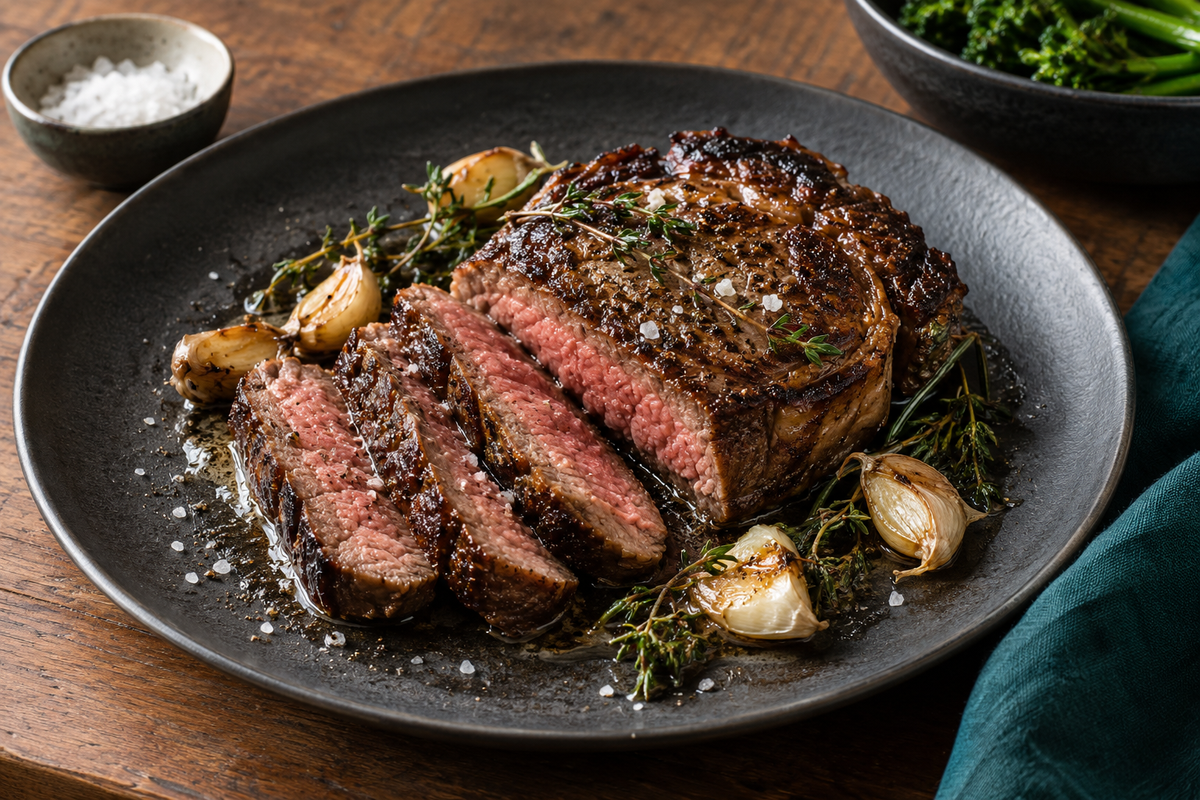
Garlic butter steak is a thick steak seared hard in a hot pan, then basted with foaming butter, garlic and herbs for the final few minutes, so the crust turns deep brown and every bite tastes of nutty butter and sweet garlic.
The butter goes in after the sear, once the heat is lowered, so it browns rather than burns. A thick grass-fed scotch fillet is the ideal cut, because its marbling and thickness give the baste time to work while the centre stays pink and juicy.
It is a restaurant-style steak dinner for two, and most of the time is hands-off.
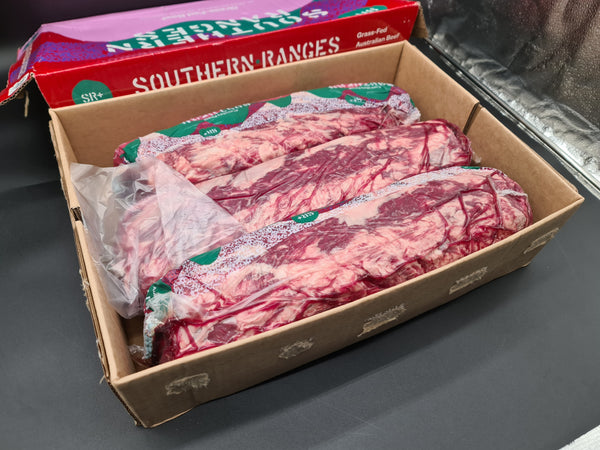
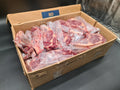
Scotch Cube Roll from $53/kg - 100% Grass-Fed & Finished Angus - Hormone Antibiotic Free - Southern Ranges SR+
Steakhouse quality at a fair price. This grass-fed scotch cube roll gives you around 4kg of 100% grass-fed and finished Australian Angus, MSA graded at...
Also Featured in This Recipe
Ingredients
For 2 servings
- 2 x 300ggrass fed scotch fillet steaksabout 3cm thick, cut from a scotch cube roll
- 1 tspsea salt
- 1/2 tspfreshly ground black pepper
- 1 tbsphigh smoke point oilsuch as rice bran or canola
- 40gunsalted buttercubed
- 4garlic cloveslightly crushed in their skins
- 4thyme sprigs
- 1rosemary sprig
- flaky sea saltto finish
- 50gsoftened butteroptional compound butter
- 1garlic clovefinely grated (compound butter)
- 1 tbspflat-leaf parsleyfinely chopped (compound butter)
- 1/2 tsplemon zestfinely grated (compound butter)
Utensils
8 items to gather · Tap to tick off
- Heavy cast iron or carbon steel frying pan
- Large metal spoon
- Tongs
- Digital probe thermometer
- Wire rack and plate
- Paper towel
- Sharp steak knife and chopping board
- Small bowl, fork and baking paper (compound butter)
Cooking Steps
Dry and season
Take the steaks out of the fridge 30 minutes before cooking. Pat them completely dry with paper towel and season all over with the salt and pepper, including the fat edge.
Sear hard
Heat a heavy cast iron or carbon steel pan over high heat until it is just smoking, then add the oil. Lay the steaks in, away from you, and sear without moving them for 2 to 3 minutes until a deep brown crust forms. Turn and sear the second side for 2 minutes, then hold each steak on its fat edge for 30 seconds to render it.
Add the butter
Lower the heat to medium. Add the butter, garlic, thyme and rosemary to the pan beside the steaks. The butter should foam and smell nutty within 30 seconds; if it darkens straight away, lift the pan off the heat for a moment.
Baste
Tilt the pan towards you so the butter pools at the edge, and use a large spoon to pour the foaming butter over the steaks continuously for 2 to 4 minutes, turning them once. Check with a probe and pull them when the centre reads 56 to 58C for medium rare.
Rest
Move the steaks to a wire rack set over a plate and rest them for 5 to 8 minutes, while the centre climbs another 3 to 5C. Spoon the garlic butter and herbs from the pan over the top as they rest.
Slice and serve
Slice the steaks across the grain into thick strips, sprinkle with flaky salt and pour over the resting juices and butter. Squeeze the soft garlic from its skins to spread over the beef.
Nutrition
Per Serving
Recipe serves 2Nutritional values are estimates only and may vary based on specific ingredients, brands, cuts, cooking method, and portion sizes. For medical or dietary purposes, please consult a qualified nutritionist.
Tips and Pairing
People Also Ask
When should I add butter and garlic to steak? +
Add butter and garlic after the steak has been seared on both sides and the heat has been lowered to medium. Searing in oil first builds the crust at a temperature butter cannot handle. Once the butter goes in, baste for the final 2 to 4 minutes, so the garlic and herbs flavour the butter and turn golden without burning.
How do you cook a steak in garlic butter? +
Sear a thick, dry, well-seasoned steak in a little oil in a very hot pan for 2 to 3 minutes a side. Lower the heat, add butter, crushed garlic and herbs, then tilt the pan and spoon the foaming butter over the steak until the centre reads 56 to 58C for medium rare. Rest it for 5 minutes before slicing.
How do you make garlic butter for steak? +
Mash 50g of softened butter with a finely grated garlic clove, a tablespoon of chopped parsley, a little lemon zest and a pinch of salt. Roll it into a log in baking paper and chill until firm. Slice a round onto a rested steak so it melts into the juices, or use it to baste the steak instead of plain butter.
Is garlic butter good for steak? +
Yes, garlic butter is one of the best partners for steak. The butter adds richness and helps the crust brown, while garlic and herbs bring a savoury, aromatic flavour that suits lean grass-fed beef especially well. Use it as a baste in the pan for the final few minutes, or as a chilled compound butter melted over the steak after resting.
What steak is best for butter basting? +
A thick, well-marbled steak is best for butter basting, and scotch fillet is the top choice. Aim for about 3cm thick, so there is time to baste before the centre overcooks. Porterhouse also works well, and a bone-in Wagyu ribeye makes a richer version. Thin steaks tend to overcook before the butter has time to add flavour.