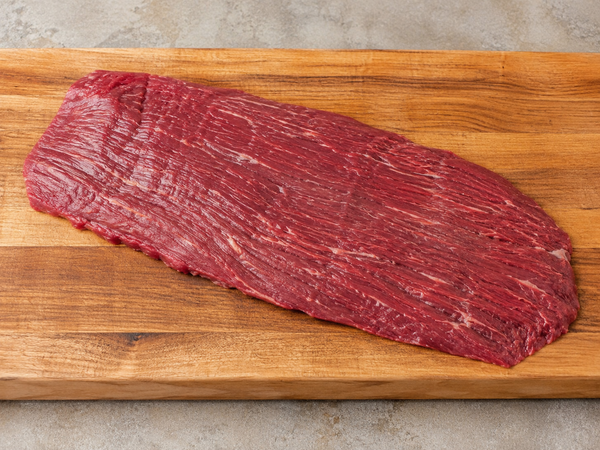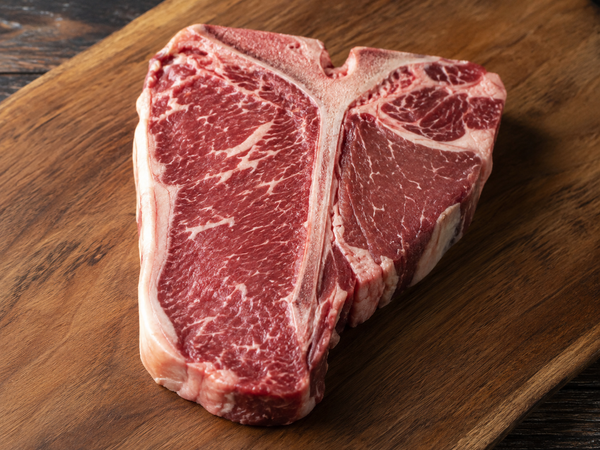

Scotch fillet is one of Australia's favourite steaks, prized for its marbling, rich flavour, and forgiving nature in the pan. If you have ever wondered what scotch fillet actually is, where it sits on the animal, or how to cook it without drying it out, this guide covers it.
We explain what the cut is, how it compares to eye fillet and ribeye, and the simple method that gives you a tender, juicy scotch fillet steak every time.
What Is Scotch Fillet?
Scotch fillet is the boneless rib-eye muscle, cut from the rib section of the cow, and it is one of the most marbled, flavourful steaks you can buy. In Australia and New Zealand it is also called rib fillet, while overseas the same cut is usually sold as ribeye.
The cut is easy to recognise. It has a smooth, even shape, generous marbling running through the meat, and a small seam of fat down one side. That intramuscular fat is the secret to its flavour, since it melts as the steak cooks and bastes the meat from the inside.
A whole, unsliced scotch fillet is known as a cube roll, which is where many of our products start before being cut into steaks. Sold as a steak it is tender, quick to cook, and far more forgiving than leaner cuts, which is why it suits both confident cooks and beginners.
Because it carries more fat than cuts like eye fillet or rump, scotch fillet stays juicy even if you take it a touch past your target, making it a safe, rewarding choice for a midweek steak or a special dinner.
Where Scotch Fillet Comes From and Why Marbling Matters
Scotch fillet comes from the rib primal, the section that sits between the chuck at the shoulder and the loin along the back. This part of the animal does relatively little work, which is exactly why the meat is so tender.
The rib section is famous for marbling, the fine threads of fat woven through the muscle. When you cook the steak, that fat renders down, keeping the meat moist and adding the deep, beefy richness scotch fillet is known for. More marbling generally means more flavour and a juicier result.
Scotch fillet also includes a band of muscle along its edge called the spinalis, or ribeye cap. Many steak lovers rate it as the tastiest part of the whole steak, soft and intensely flavoured. It is one of the small details that makes this cut feel a step above leaner options.
The quality of a scotch fillet depends heavily on how the animal was raised and graded. Grass-fed beef tends to be leaner with a clean flavour, while grain-fed and higher MSA-graded beef carries more marbling. Wagyu sits at the top, with marbling so fine the steak turns buttery when cooked.
Scotch Fillet vs Eye Fillet, Sirloin and Ribeye
Scotch fillet is richer and more marbled than eye fillet or sirloin, while ribeye is simply the same cut sold bone-in. Each suits a slightly different priority, whether that is flavour, tenderness, or value.
Eye fillet, cut from the loin, is the most tender steak of all, but it is leaner and milder. Sirloin, also called porterhouse here, is firmer and a little leaner than scotch fillet, with a good balance of flavour and bite. Ribeye is the bone-in version of scotch fillet, and a tomahawk is just a ribeye with a long frenched bone.
| Cut | Comes from | Character |
|---|---|---|
| Scotch fillet | Rib | Marbled, rich, tender |
| Eye fillet | Loin | Very tender, lean, mild |
| Sirloin (porterhouse) | Loin | Firmer, leaner, balanced |
| Ribeye | Rib (bone-in) | Same as scotch, plus the bone |
If you want the most flavoursome everyday steak, scotch fillet is hard to beat. Choose eye fillet when tenderness is the priority, or a bone-in ribeye or tomahawk when you want a showpiece.
How to Cook Scotch Fillet

The best way to cook scotch fillet is hot and fast in a pan or on the grill, then rested, since the marbling does the work and only needs high heat to render. It does not suit slow cooking, which would waste the tender meat.
Start by taking the steak out of the fridge about 30 minutes before cooking so it comes closer to room temperature. Pat it dry, then season generously with salt. Heat a heavy pan or grill until it is very hot, almost smoking, so the steak sears rather than steams.
Cook a steak around 2.5cm to 3cm thick for roughly 2 to 3 minutes a side for medium rare, pressing it down for good contact. Adding a knob of butter near the end and basting builds flavour and colour. Always rest the steak for about 5 minutes before cutting so the juices settle back into the meat.
Use a thermometer for accuracy and remove the steak a couple of degrees before your target, since it keeps cooking as it rests.
| Doneness | Remove from heat at |
|---|---|
| Rare | 48°C |
| Medium rare | 52°C |
| Medium | 58°C |
| Medium well | 62°C |
Who Scotch Fillet Suits and What to Look For
Scotch fillet suits almost everyone, from steak lovers chasing flavour to beginners who want a cut that is hard to ruin. Its marbling makes it forgiving, so it is a smart pick if you are still getting comfortable cooking steak.
It works for a quick midweek dinner, a weekend barbecue, or a special meal where you want something richer than a lean fillet. Because it is sold boneless and in even steaks, portioning is simple and there is very little waste.
When buying, look for steaks with even marbling through the meat, a fresh colour, and a consistent thickness so they cook evenly. Thicker steaks of 3cm or more are easier to cook to a perfect medium rare without overcooking the outside.
Quality and feeding make a real difference here, so check the grading and whether the beef is grass-fed or grain-fed. You can explore our scotch fillet steaks or browse the wider range of Australian beef cuts to find the right option for your cook.
Conclusion
Scotch fillet is the marbled, boneless rib-eye that delivers big flavour with very little effort. Cook it hot and fast, rest it well, and the fat does the rest. Whether it is a midweek treat or a weekend barbecue, it is one of the most rewarding steaks you can buy.