Beef Wellington with Eye Fillet
Introduction
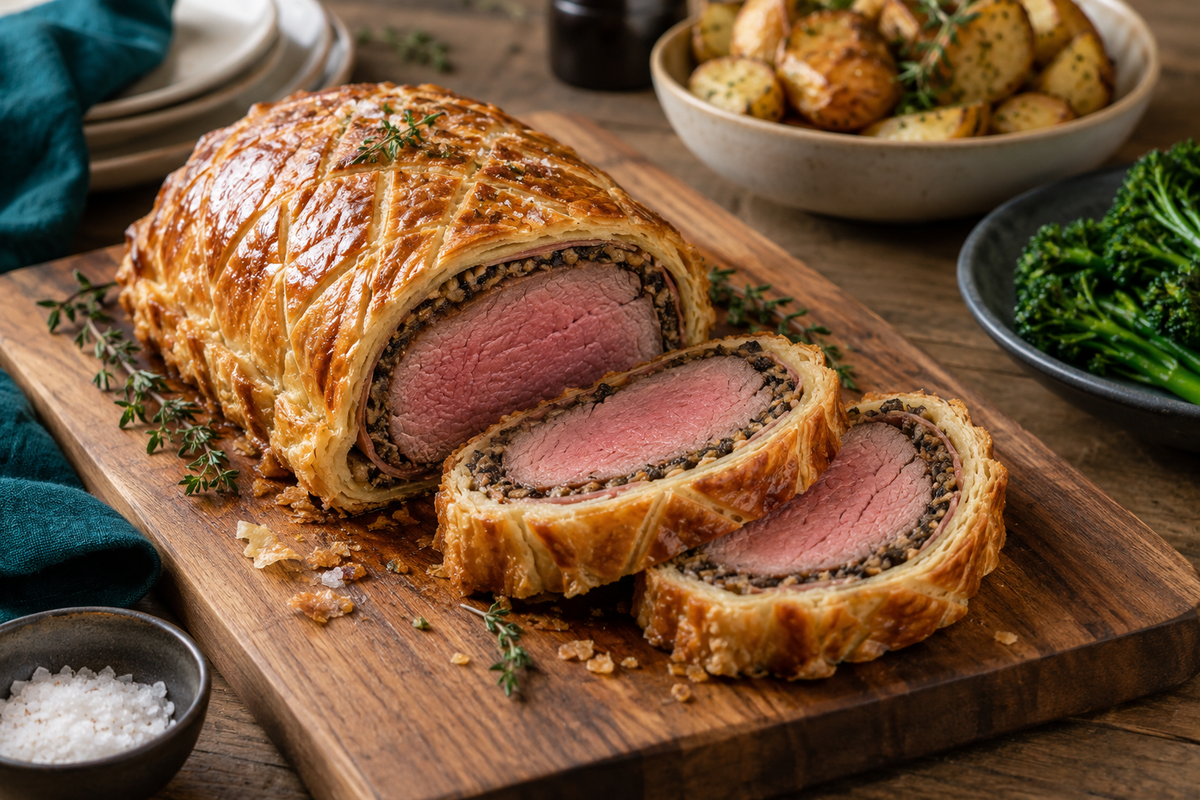
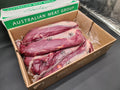
Beef Wellington is a whole centre-cut eye fillet, seared hard, brushed with mustard, wrapped in mushroom duxelles and prosciutto, then baked in puff pastry until the beef is evenly pink and the crust is golden.
It is the ultimate centrepiece for Christmas or a special dinner, and it rewards a little planning. A grass-fed eye fillet gives you the even shape and tenderness the dish depends on, while the earthy duxelles and salty prosciutto keep the pastry crisp and the flavour deep.
This recipe walks you through trimming, chilling and baking to a probe temperature, so the beef comes out exactly how you like it.
Ingredients
For 6 servings
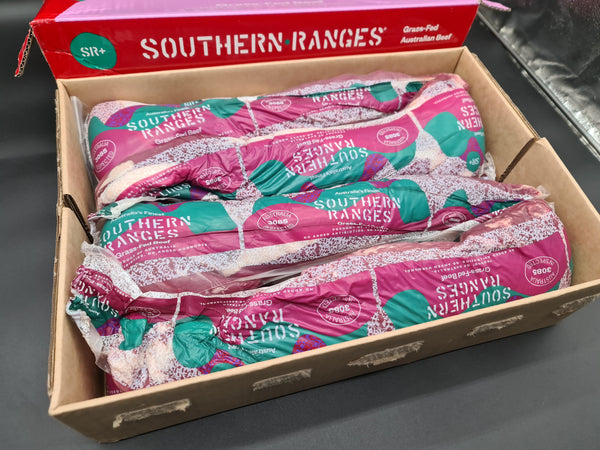
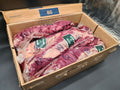
- 1.1kgcentre-cut grass fed eye fillettrimmed from a whole fillet
- 1 tbspolive oil
- sea salt and freshly ground black pepperto season
- 2 tbspDijon mustard
- 500gSwiss brown mushroomsfinely chopped (duxelles)
- 30gbutterduxelles
- 2French shallotsfinely chopped (duxelles)
- 2garlic clovescrushed (duxelles)
- 1 tbspthyme leavesduxelles
- 2 tbspdry white wineoptional (duxelles)
- 10 to 12 slicesprosciuttoabout 120g
- 375gall-butter puff pastrythawed
- plain flourfor dusting
- 1egg yolkbeaten with 1 tbsp milk (egg wash)
- flaky sea saltto finish
Utensils
10 items to gather · Tap to tick off
- Large heavy-based frying pan
- Wire rack
- Food processor
- Cling film
- Kitchen string
- Rolling pin
- Pastry brush
- Heavy oven tray and baking paper
- Digital probe thermometer
- Serrated knife and chopping board
Cooking Steps
Trim the fillet
Remove the silverskin and chain from the eye fillet and cut an even centre piece of about 1.1kg. Keep the thinner head and tail for a stir fry or stroganoff. Tie the centre cut with kitchen string at 3cm intervals so it holds a neat round shape, and pat it dry.
Sear the beef
Heat the oil in a large heavy-based pan over high heat. Season the fillet well and sear for 1 to 2 minutes on each side, about 6 to 8 minutes in total, until deeply browned all over. Move it to a wire rack, snip off the string, brush all over with mustard while warm and let it cool completely.
Make the duxelles
Pulse the mushrooms in a food processor until very fine. Melt the butter in the same pan over medium-high heat, cook the shallots and garlic for 2 minutes, then add the mushrooms and thyme. Cook for 12 to 15 minutes, stirring often, until all the moisture has gone and the mixture is a dry paste. Add the wine, cook it off, season and cool completely.
Wrap in prosciutto
Lay a large sheet of cling film on the bench and overlap the prosciutto into a rectangle wide enough to wrap the fillet. Spread the duxelles thinly and evenly over the prosciutto. Place the beef along the near edge and use the film to roll everything into a tight log. Twist the ends to firm it up and chill for 30 minutes, or up to overnight.
Wrap in pastry
Roll the pastry on a lightly floured bench to about 3mm thick and large enough to enclose the log. Unwrap the log onto the pastry, brush the edges with egg wash and roll it up with the seam underneath. Trim the excess, press the ends to seal and chill for 30 minutes.
Bake to temperature
Heat the oven to 210C (200C fan) with a heavy oven tray inside. Brush the Wellington with egg wash, score the top lightly and sprinkle with flaky salt. Slide it onto the hot tray on a sheet of baking paper and bake for 30 to 40 minutes, until the pastry is deep golden and a probe in the centre reads 52 to 55C for medium rare.
Rest and slice
Rest the Wellington on a board for 10 to 15 minutes, during which the centre climbs about 5C. Slice into 6 thick pieces with a serrated knife and serve straight away.
Nutrition
Per Serving
Recipe serves 6Nutritional values are estimates only and may vary based on specific ingredients, brands, cuts, cooking method, and portion sizes. For medical or dietary purposes, please consult a qualified nutritionist.
Tips and Pairing
People Also Ask
What cut of beef is best for beef Wellington? +
Eye fillet, also called tenderloin, is the classic cut for beef Wellington. Use the centre of a whole fillet, because its even thickness cooks at the same rate as the pastry and slices into neat rounds. Trim off the thinner head and tail and save them for a stir fry or stroganoff, so nothing goes to waste.
What internal temperature should beef Wellington reach? +
Pull beef Wellington from the oven at 52 to 55C in the centre for medium rare, then rest it for 10 to 15 minutes while it climbs about 5C. The Food Safety Information Council recommends whole beef cuts reach at least 63C, so pull at around 60C when cooking for pregnant women, older guests or young children.
How do you stop beef Wellington going soggy? +
Cook the duxelles until every bit of moisture has gone, chill the seared beef completely before wrapping, and use a layer of prosciutto as a barrier between the mushrooms and the pastry. Chill the wrapped Wellington before baking and bake it on a preheated heavy tray so the base sets quickly.
Can you make beef Wellington ahead of time? +
Yes, most of the work can be done a day ahead. Sear the fillet, make the duxelles and roll the prosciutto log the day before, then keep it tightly wrapped in the fridge overnight. On the day, wrap it in pastry, chill for 30 minutes and bake, so the pastry stays crisp.
Why is beef Wellington so hard to cook? +
The challenge is timing two things at once: the pastry needs to turn deep golden while the beef inside reaches the right temperature. Without a thermometer it is guesswork. Use an even centre-cut fillet, chill it well before baking and cook to a probe temperature rather than the clock, and the result is reliable.