
If your meat delivery arrives thawed or warm, check the temperature first: if the meat is still cold to the touch, at or below 5°C, it is generally safe to refrigerate or refreeze, even when partially thawed. If it is warm and no longer cold, do not eat it. This guide covers the still-cold test, the Australian food safety rule, exactly what to do whether your meat delivery arrived thawed but cold or genuinely warm, and how to claim a refund.
First, check the temperature
Before you decide anything, check whether the meat is still cold, because temperature is what matters, not the fact that it thawed. Press a pack with your hand: it should feel cold, ideally as cold as your fridge. Frozen packs may have softened but can still be very cold, which is fine.
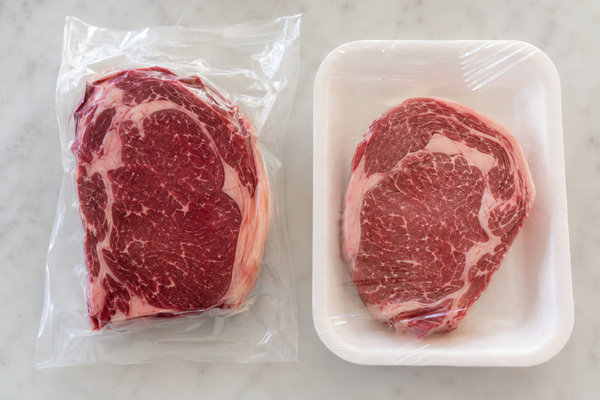
If you have a thermometer, aim to confirm the meat is at or below 5°C. Set aside for a moment whether a pack feels soft or looks thawed, and judge it on cold alone. One thing not to worry about: vacuum-sealed beef often looks dark or purplish, which is normal and turns bright red once opened.
The Australian rule: FSANZ and the 5°C limit
In Australia, chilled meat is considered safe at or below 5°C, and it enters the danger zone between 5°C and 60°C, where bacteria multiply fastest. This comes from the Food Standards Australia New Zealand code, and it is the figure to judge by, not the 40°F rule you will see on overseas websites.
As a rule of thumb, food that has spent more than about two hours in the danger zone is no longer safe. Good delivery packaging is built to keep your meat under 5°C for the whole trip plus a buffer, so if your order arrives cold, it has stayed out of the danger zone.
If the meat is cold but thawed

If the meat is cold but thawed, it is safe. As long as it is still cold to the touch, at or below 5°C, you can refrigerate it and cook within a day or two, or refreeze it. A pack that has partially thawed on a longer delivery is completely normal and does not affect safety.
Refreezing is fine while the meat is still cold. The only trade-off is a little extra drip loss and a slightly softer texture, so for the best result, cook it rather than refreeze it if you can. Give it a quick look and smell first, since fresh meat has almost no odour, and store anything you are keeping using the guide to how to store meat safely.
If the meat is warm
If the meat is warm and no longer cold to the touch, do not eat it. Once meat has warmed above 5°C and stayed there, bacteria can multiply to unsafe levels, and you cannot make it safe again by cooking or refreezing it.
Do not refreeze warm meat, and do not cook it and hope for the best. Set it aside so you can photograph it, and treat it as a delivery problem rather than dinner. This is uncommon with proper packaging, but it can happen after a long courier delay or if the coolant has failed, and the right response is to claim rather than risk it.
How to report it and claim a refund

If your meat arrives warm, or you are unsure, document it and contact the butcher straight away. Take clear photos of the box, the coolant packs and the meat, and note the time your order arrived.
Then report it within 24 hours, since most butchers require issues to be raised within a day for food-safety reasons. A reputable butcher will offer a refund or replacement, so keep the affected meat aside until they respond. With Cost Cut Meats, a photo and a message within 24 hours is all it takes to have it refunded or replaced.
How Cost Cut Meats packs to prevent this
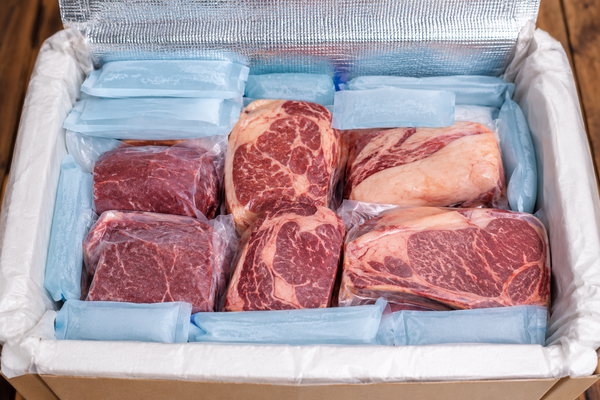
Cost Cut Meats packs every order to keep this from happening in the first place. Each cut is vacuum sealed and packed into an insulated box with chilled gel packs, or dry ice for the longest routes, then dispatched Monday, Wednesday and Friday by express courier and tracked to your door.
The packaging is designed to hold a safe temperature for the full transit window plus a buffer, keeping your meat cold for around 12 hours after it arrives. And if an order ever turns up warm or in less than perfect condition, the satisfaction guarantee has you covered. Browse the full range at Cost Cut Meats to order with confidence.
Conclusion
Thawed does not mean unsafe. If your meat is still cold, refrigerate or refreeze it with confidence; if it is warm, set it aside, photograph it and claim a refund. Cost Cut Meats packs to keep your order cold the whole way, and backs it with a guarantee if it is ever not right.