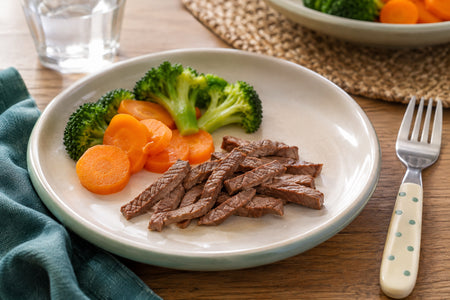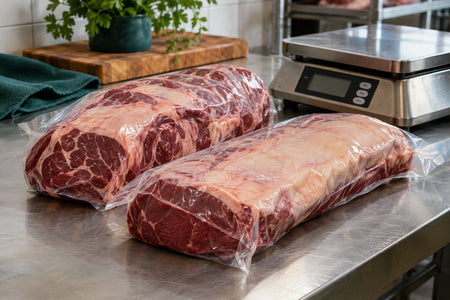

The best beef for pho is eye fillet sliced paper thin, while scotch fillet is the best beef for hot pot and shabu shabu. Sirloin and rump are the value picks, and wagyu is the treat.
In both dishes the broth cooks the beef in seconds rather than hours, so the cut has to be tender before it ever reaches the bowl.
Below, we compare five cuts, then cover slicing and how much to buy per bowl.
What Is the Best Beef for Pho?

For pho tai, the rare beef version, eye fillet is the best cut because it is the most tender beef you can buy and carries almost no fat, so the slices stay soft and the broth stays clear. Porterhouse, also sold as sirloin, is the best value alternative, with more beefy flavour for less per kilo.
In pho tai (phở tái), boiling broth is ladled straight over raw slices on the noodles, cooking them to pale pink in the bowl. There is no time to soften connective tissue, so a tough cut stays chewy however thin you slice it.
Fat matters too. Heavily marbled beef can leave a slick on a clear, fragrant broth, so lean cuts suit pho better than the richest steaks, although a lightly marbled sirloin still works once trimmed.
Many US recipes call for eye of round, sold here as girello. It is lean and cheap but noticeably chewier, so rump is the closest swap from our range.
What Is the Best Beef for Hot Pot and Shabu Shabu?

Scotch fillet is the best beef for hot pot and shabu shabu, because its marbling melts into the simmering broth and keeps each slice silky even when it stays in a few seconds too long. Wagyu takes that further for a special occasion.
Hot pot is a long, social meal where timing is rarely precise, so a very lean cut such as eye fillet can turn dry and grey if it is forgotten in the pot. Marbling acts as insurance.
Shabu shabu, the Japanese version, is named after the sound of slices swishing through a light kombu broth. The beef is the star, so marbled cuts are traditional.
In a spicy Sichuan hot pot, the broth masks subtle beef, so trimmed sirloin is a sensible, cheaper option.
Pho Beef Cuts Compared: Which Cut Should You Slice?

Every cut below can be sliced raw for pho or hot pot, but each suits a different bowl and budget.
| Cut | Best for | Why |
|---|---|---|
| Eye fillet | Pho tai and other rare beef dishes | The most tender cut, very lean and mild, keeps the broth clear |
| Scotch fillet | Hot pot, shabu shabu and sukiyaki | Generous marbling keeps slices juicy in simmering broth |
| Porterhouse (sirloin) | Pho tai on a budget, spicy hot pot | Even grain and clean beefy flavour once the fat edge is trimmed |
| Rump | Everyday pho and hot pot | Lean value cut with strong flavour, needs very thin slicing |
| Wagyu | Shabu shabu for an occasion | Rich marbling melts in seconds, too rich for most pho broths |
Eye Fillet
Eye fillet is the softest cut on the animal and slices into neat, even rounds with almost no waste. Its mild flavour lets a spiced broth lead, and it is the same cut we use for beef tataki. It is the dearest per kilo, which matters less when each bowl uses so little.
Scotch Fillet
Scotch fillet, also sold as rib eye fillet, has the marbling hot pot rewards. Trim the thick seam of fat before slicing, and use leftover shaved slices in a gyudon rice bowl, which simmers thin beef with onion in a sweet, savoury broth.
Porterhouse (Sirloin)
Porterhouse is the Australian name for boneless sirloin, and its tight, even grain slices cleanly. It usually costs less per kilo than scotch fillet or eye fillet. Trim the fat edge fully, since it will not render in seconds.
Rump
Rump is a lean value pick, with the strongest beefy flavour of the five. Its several muscles have grain running in different directions, so separate them and slice each across its own grain.
Wagyu
Wagyu is the classic choice for shabu shabu, where its marbling melts in seconds and each slice turns buttery. In pho that richness can leave the broth oily, so save it for hot pot or choose a lower marble score.
What About Brisket, Oxtail and Bones?
Brisket, shin, oxtail and beef bones do a different job: they simmer for hours to build the broth, or are cooked until tender and sliced as the well done beef in pho chin. These collagen rich cuts need long, slow heat and never work as raw slices.
Pho broth often combines marrow and knuckle bones with oxtail or brisket. We don't stock these broth cuts, so buy them from a local butcher or Asian grocer and pair them with a tender cut for the rare slices.
How to Slice Beef Paper Thin at Home

The secret to paper thin slices is to firm the beef in the freezer first, then slice across the grain with a long, sharp knife. Aim for slices about 1 to 2mm thick for both pho and hot pot.
- Trim first. Remove outside fat, silverskin and thick seams of fat while the beef is still soft.
- Wrap and freeze. Wrap the piece in cling film and freeze it for 45 to 60 minutes, until firm but not frozen solid.
- Find the grain. Turn the beef so you cut against the grain, across the fine lines of muscle fibre.
- Slice in long strokes. Use your longest, sharpest knife and finish each slice in one or two smooth strokes.
- Lay out and chill. Spread the slices on a tray lined with baking paper, cover and refrigerate until the broth is ready.
If the beef softens halfway through, return it to the freezer for 10 minutes. Slicing on a slight angle gives wider slices that still cross the fibres.
How Much Beef per Bowl?
Allow 60 to 100g of raw beef per bowl of pho, and 150 to 225g per person for hot pot or shabu shabu when beef is the main protein.
| Dish | Raw beef per person | Notes |
|---|---|---|
| Pho tai, beef as the only meat | 60 to 100g | Top of the range is generous |
| Pho with brisket or meatballs too | 30 to 60g | The rare slices share the bowl |
| Hot pot or shabu shabu, mixed proteins | 110 to 150g | Alongside seafood, tofu and vegetables |
| Hot pot or shabu shabu, beef as the star | 150 to 225g | Allow more for big appetites |
A 100g serve costs a tenth of the per kilo price, so trading up from rump to eye fillet adds far less per bowl than the shelf price suggests. Check the current price per kilo on each cut's product page.
Is Rare Beef in Pho Safe?
Rare beef in pho and hot pot is generally low risk when the slices come from a whole, intact cut that has been kept cold, handled cleanly and covered with broth at a rolling boil. Australian food safety advice notes that bacteria on whole pieces of meat sit on the surface, while mincing or rolling pushes them into the centre.
Slicing a whole cut exposes clean meat, but a dirty knife or board can spread surface bacteria onto every slice. Keep the beef at 5°C or below until it meets the broth, and use separate chopsticks or tongs for raw meat at the hot pot table.
Australia's food regulator advises that vulnerable people, including pregnant women, older people and anyone with a weakened immune system, eat thoroughly cooked meat, so cook their slices until no pink remains. The same thinking decides whether rare steak is safe.
Conclusion
Eye fillet is the best beef for pho, scotch fillet wins for hot pot and shabu shabu, and sirloin or rump keep both dishes affordable.
Firm the beef in the freezer, slice it paper thin across the grain and let the broth do the rest. Add eye fillet or scotch fillet to your next order and we'll deliver it chilled and vacuum sealed to your door.