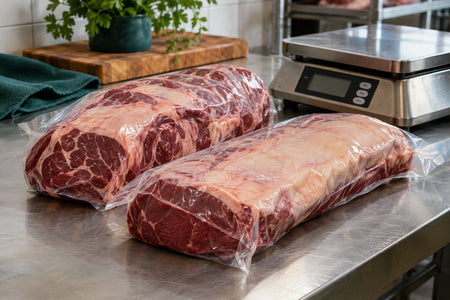

The best steak for kids is eye fillet, followed by scotch fillet, rump cap and rump, because the most tender cuts are the easiest for small mouths to chew.
Tenderness is only half the job, though. How you cook, cut and serve steak matters just as much, especially for toddlers.
Below, we rank the four cuts, then cover safe doneness, cutting by age, portion sizes and a few kid-friendly ways to serve it.
What Is the Best Steak for Kids?

Eye fillet is the best steak for kids in most homes, since it is the most tender and mildest of the four, with scotch fillet, rump cap and rump following in that order. All four suit a family dinner, so the right pick depends on your child's age and how you plan to serve it.
| Rank | Cut | Texture | Flavour | Best kids' format |
|---|---|---|---|---|
| 1 | Eye fillet | Very tender, lean | Mild | Small medallions, diced pieces |
| 2 | Scotch fillet | Tender, well marbled | Rich and juicy | Thin strips, wraps |
| 3 | Rump cap | Tender when sliced thinly | Beefy | Skewers, sliced platters |
| 4 | Rump | Firmer, more chew | Full and beefy | Strips, steak sandwiches |
1. Eye Fillet
Eye fillet is the most tender steak on the animal, lean and mild with very little fat or gristle once trimmed. It's the easiest win for younger children and fussy eaters, and a small medallion goes a long way.
2. Scotch Fillet
Scotch fillet carries more marbling, so it stays juicy even when cooked past medium. Trim the central fat seam and any chewy edges, then slice it thinly for kids who find a whole steak hard going.
3. Rump Cap
Rump cap, also known as picanha, is tender and full of flavour when sliced thinly against the grain. Its shape suits skewers, and a whole cap is easy to cook and carve for a crowd.
4. Rump
Rump has a firmer bite and a bold, beefy flavour. It needs thin slicing across the grain for small chewers, but it's a reliable everyday choice for strips, stir fries and steak sandwiches.
Is Steak Good for Kids?
Yes, lean steak is good for kids because it supplies iron, zinc and vitamin B12 in a form the body absorbs easily. The Australian Dietary Guidelines describe lean red meat as a particularly good source of all three, and note that iron is especially important during infancy.
Iron is the big one. Healthdirect explains that meat contains haem iron, which is easily absorbed, while the non-haem iron in plant foods is harder for the body to absorb. It also notes that foods rich in vitamin C can help you absorb more iron, so a side of capsicum or broccoli earns its place.
Healthdirect puts children's daily iron needs at 9mg from 1 to 3 years, 10mg from 4 to 8 years and 8mg from 9 to 13 years. Steak is one helpful source among several, alongside poultry, fish, eggs, legumes and iron-enriched cereals.
Protein is rarely the problem, as Eat For Health notes most Australians eat enough each day. If you're worried about your child's iron levels, allergies or eating habits, talk to your GP or a dietitian rather than changing their diet on your own.
How to Cook Steak for Kids Safely
Cook steak for kids as you would for adults, but take it to at least medium for children under five and check the centre with a meat thermometer. The Food Safety Information Council (FSIC) lists raw or undercooked meat among foods that should not be fed to children under five, because their immune systems are not fully developed.
Whole steaks carry contamination on the outside rather than through the middle, which is why rare steak is treated differently for adults. For doneness, the FSIC safe cooking temperatures are 63°C for medium rare, 71°C for medium and 77°C for well done, followed by a 3 to 5 minute rest.
Because FSIC lists undercooked meat among the foods to avoid for under fives, cook their portion to at least 71°C, medium on the FSIC chart, and save rare and medium rare steak for older children and adults.
Mince is a different story. If you mince steak for a baby's first foods, cook it to 75°C in the centre, as FSIC advises for all minced meat.
To keep kids' portions tender, cut them from a thinner steak or slice strips before a quick sear, so they cook through without drying out. Rest the meat, then slice it across the grain. Eye fillet and scotch fillet stay juicy at medium, which is why they top the list.
How to Cut Steak for Toddlers and Older Kids

Slice steak against the grain first, then cut it to suit your child's chewing: pea-sized pieces or smaller for toddlers, and thin strips or bite-sized pieces once they chew well. Cutting against the grain shortens the muscle fibres, so every piece is easier to chew.
Babies Starting Solids
By around six months, babies need iron-rich solid food, and Raising Children lists minced meat among good first options, starting pureed or finely mashed before moving to minced, chopped and soft finger foods. It also flags pieces of meat as a choking hazard that needs special care. If you're considering steak for baby led weaning, read the NHMRC Infant Feeding Guidelines and talk to your child and family health nurse or GP first.
Toddlers and Preschoolers
When serving steak for toddlers, follow Raising Children's choking prevention advice: it lists meat in pieces as a food choking risk and recommends pea-sized pieces or smaller until a child can chew well. Children under four are at higher risk, so seat them for meals and always supervise. Trimming fat and gristle keeps each piece easy to chew.
School-Age Kids
Once children chew confidently, thin strips cut across the grain or bite-sized pieces work well, and it's a good age to practise with a knife and fork. Older children can still choke, so keep the sit-down rule at the table.
How Much Steak Does a Child Need?
Children need between one and two and a half serves a day from the meat and alternatives group, depending on age, and one serve of lean red meat is 65g cooked, or about 90 to 100g raw. These figures come from Eat For Health's recommended serves.
| Age | Daily serves of lean meat, poultry, fish, eggs, nuts or legumes |
|---|---|
| Toddlers (1 to 2 years) | 1 |
| 2 to 3 years | 1 |
| 4 to 8 years | 1½ |
| 9 to 11 years | 2½ |
| 12 to 13 years | 2½ |
That food group also includes chicken, fish, eggs, tofu and legumes, so steak night doesn't need to cover the whole day. Eat For Health suggests about half the serves come from lean meat such as beef, to keep iron and zinc intake adequate.
When you're buying for the whole family, work out how much steak per person for the adults first, then add the kids' smaller portions on top.
How to Make Steak Kid Friendly

The easiest way to make steak kid friendly is to serve it in formats children already know, like strips, skewers and sandwiches. A few ideas that work across ages:
- Build-your-own strips: thin slices of eye fillet or scotch fillet with soft wraps, salad and a mild sauce let kids assemble their own plate.
- Skewers: thread rump cap or rump onto beef skewers with capsicum and zucchini. For toddlers, slide the meat off and cut it into pea-sized pieces before serving.
- Steak sandwiches: a thinly sliced steak sandwich on soft bread with melted cheese suits school-age kids.
- Mild seasoning: keep the spice low and let adults add chilli or pepper at the table. For babies, Raising Children recommends home-cooked food without added salt or sugar.
If kids help in the kitchen, keep raw meat handling to the adults and use separate chopping boards for raw meat and vegetables, as Raising Children advises.
Conclusion
Eye fillet is the most tender steak for kids, while scotch fillet, rump cap and rump all work well when sliced thinly against the grain.
Cook it properly, cut it to suit your child's age and serve it in a format they enjoy. Order your family's favourite cuts online for chilled, vacuum-sealed delivery across Australia (excluding the NT).