
Grass fed beef carries a health halo and a higher price tag, but the label is looser than most shoppers realise.
Plain "grass fed" on a pack does not always mean pasture for life, and the health claims are real but often overstated.
This guide explains what grass fed beef actually means in Australia, what the evidence says about whether it is better for you, how to read the labels supermarkets use, and how to buy genuine 100% grass fed and finished beef online.
What Does Grass Fed Actually Mean?

Grass fed beef comes from cattle that graze pasture rather than being fed grain, but in Australia the term on its own is not a regulated guarantee of pasture for life.
Most Australian cattle start life on grass regardless of how they finish. The difference that matters is the final months. Grain fed cattle move into a feedlot for a finishing period on grain rations, which builds marbling and consistency. Genuinely grass fed cattle stay on pasture from start to end.
Because the plain term is loose, the industry developed clearer claims. "100% grass fed and finished" means pasture only, for life. Certification programs such as the Pasture-fed Cattle Assurance System (PCAS) audit that claim. When a label stops at "grass fed" with no finishing statement, you are trusting the brand rather than a standard, which is exactly why the question fills search results.
Grass Fed vs Grass Finished
Grass finished is the part that counts. An animal can graze for most of its life and still be grain finished for the last 100 days. "Grass fed and finished" closes that loophole: pasture from birth to processing, with no feedlot period at the end.
Is Grass Fed Beef Better for You?
Grass fed beef is modestly better for you than grain fed: it is leaner and carries more omega-3 fats and antioxidants, but the differences are real rather than dramatic.
The evidence is consistent on direction. Compared with grain fed, grass fed beef is typically leaner, with a better ratio of omega-3 to omega-6 fatty acids, more conjugated linoleic acid (CLA) and higher levels of antioxidants such as vitamin E, as summarised in this grass fed vs grain fed comparison.
The honest caveat is scale. Beef is not a significant omega-3 source compared with oily fish, and both feeding systems produce nutritious, protein-rich meat. If your diet is otherwise sound, choosing grass fed is a worthwhile marginal upgrade, not a transformation of your health.
Where grass fed clearly wins is what it does not carry. Premium Australian grass fed programs are typically raised without added hormones or antibiotics, and pasture-based systems appeal to buyers who care how the animal lived. Those are legitimate reasons to pay more, alongside the leaner, cleaner-eating meat.
Is Supermarket Grass Fed Beef Really 100% Grass Fed?
Sometimes, but you have to read the label: supermarket grass fed lines vary in whether they guarantee grass finishing, and the phrase alone does not require it.
Both major supermarkets sell dedicated grass fed beef ranges, and the better ones do state 100% grass fed on pack. The catch is consistency. House labels change suppliers and specifications, the claims are self-declared rather than independently certified in many cases, and "grass fed" sitting next to "pasture raised" on adjacent packs rarely means the same thing.
The fix is to trust specific words, not brands. Look for "100% grass fed and finished", an explicit no-feedlot statement, or PCAS certification. A named supply brand with a stated feeding system beats a house label with a vague one, whichever shelf or website it sits on. If the seller cannot tell you how the animal was finished, assume grain.
Grass Fed vs Grain Fed vs Organic
Grass fed describes feeding, organic describes the whole farming system, and grain fed describes finishing: they answer different questions, so compare them on what you actually care about.
| Factor | Grass fed and finished | Grain fed | Certified organic |
|---|---|---|---|
| Feeding | Pasture for life | Pasture then grain finishing | Organic pasture and feed only |
| Flavour | Cleaner, beefier, more mineral | Richer, more marbled, consistent | Similar to grass fed |
| Nutrition | Leaner, more omega-3 and CLA | More marbling and fat | Tracks its feeding system |
| Guarantee | Feeding claim or PCAS audit | Feedlot standards | Full certification audit |
| Price guide (AUD) | From $26/kg (our range) | Similar range, varies by grade | Typically highest (estimate) |
For most buyers the choice is flavour and values first, budget second. Our full grass fed vs grain fed beef guide goes deeper on the eating differences.
How Does Grass Fed Beef Cook and Taste?
Grass fed beef tastes beefier and more mineral than grain fed, and because it is leaner it cooks faster and punishes overcooking more.
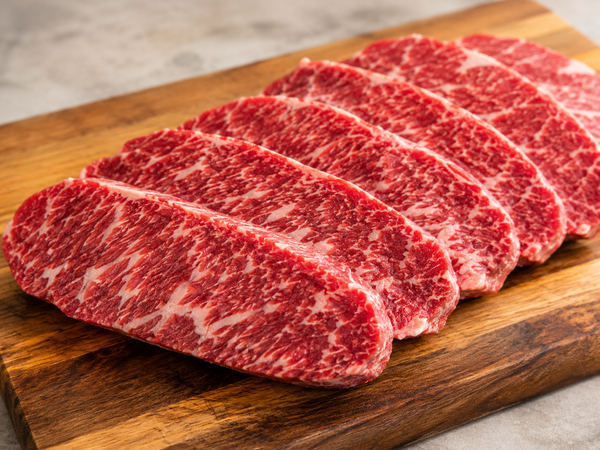
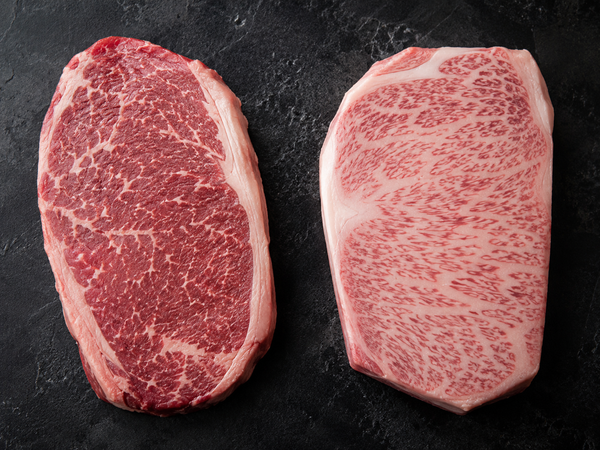
The leaner profile is the practical difference. With less internal fat as insurance, grass fed steaks move from perfect to overdone quickly, so pull them a touch earlier, rest them properly and favour medium rare to medium. Lower marble scores also mean the flavour comes from the meat itself rather than melting fat, which is exactly what grass fed fans love about it.
How to Buy 100% Grass Fed Beef Online

Buying genuine grass fed beef online is easier than in a supermarket, because good online butchers state the feeding claim, source brand and price per kilo in the listing.
Check for three things: the words "100% grass fed and finished", a named supply brand, and a hormone and antibiotic statement. Our Southern Ranges range ticks all three; the 100% grass fed and finished scotch fillet and grass fed rump cap both state feeding, source and per-kg price up front, with AMG grass fed Angus covering sharper price points from $26/kg.
Delivery does not compromise the claim either; vacuum sealed, cold chain shipped beef arrives in better condition than most supermarket shelf stock, as our meat delivery vs supermarket comparison shows. For matching cuts to cooking methods, see the Australian beef cuts guide.
Conclusion
Grass fed beef is a genuine upgrade: leaner, cleaner-flavoured and better on omega-3s, provided the label really means pasture for life. Learn the difference between grass fed and grass finished, trust stated claims over brand halos, and buy where feeding and source are printed plainly. Cost Cut Meats delivers 100% grass fed and finished Angus Australia wide.