Steak Tartare with Eye Fillet
Introduction
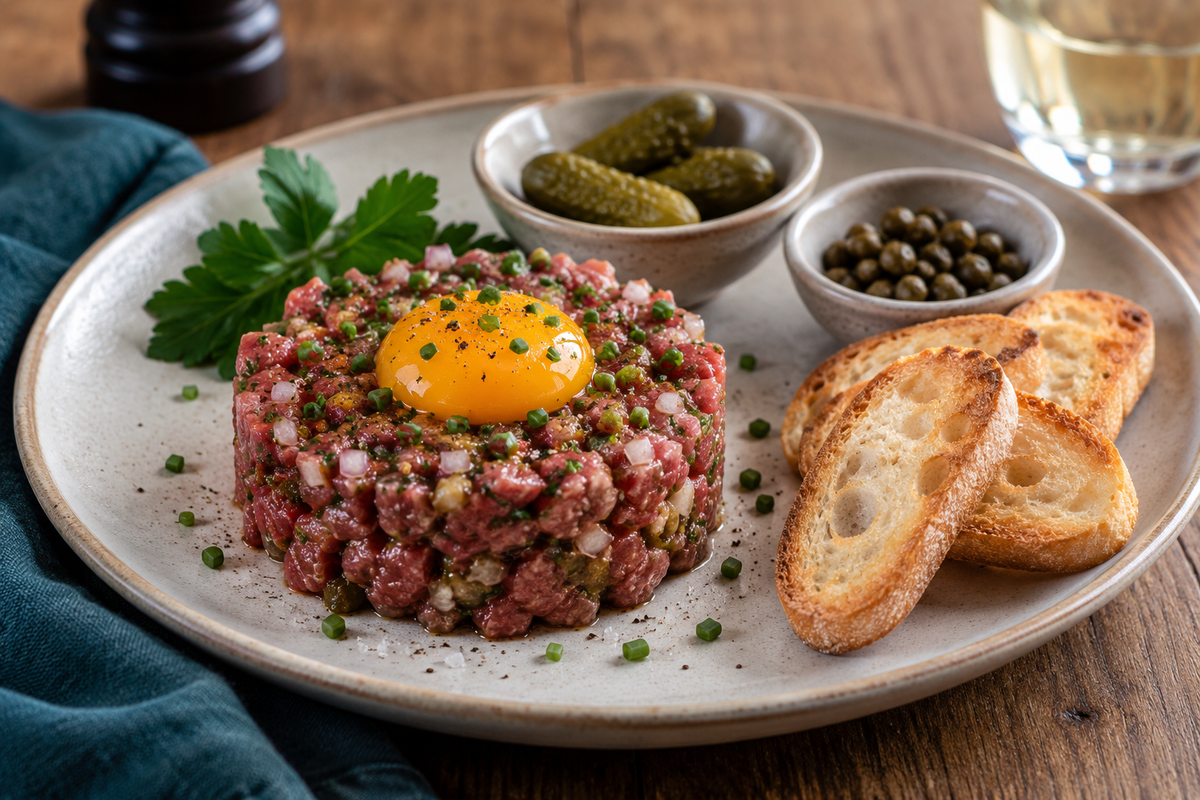
Steak tartare is finely hand-diced raw beef seasoned with shallot, capers, cornichons, Dijon mustard and Worcestershire sauce, traditionally served with a raw egg yolk on top.
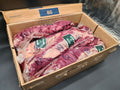
It is a French bistro classic, and because nothing is cooked, the beef has to be exceptionally fresh, cold and tender. A trimmed centre cut of grass-fed eye fillet suits it perfectly: it is lean, has no gristle once the silverskin is off and dices into clean, silky cubes.
Serve it as a starter for four with toasted baguette or crisp chips. Because this is raw beef and raw egg, it is a dish for healthy adults only, so read the food-safety notes below before you start.
Ingredients
For 4 servings
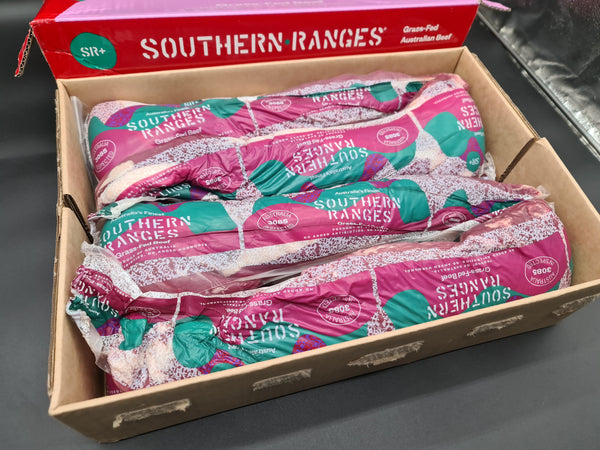
- 400gvery fresh centre-cut grass fed eye filletkept at 5C or below until trimming
- 1 largeFrench shallot (eschalot)very finely chopped
- 1 tbspbaby capersrinsed and finely chopped
- 4cornichonsfinely chopped
- 2 tspDijon mustard
- 1 tspWorcestershire sauce
- 3 to 4 dropshot sauceor to taste
- 1 tbspextra virgin olive oil
- 1 tbspchivesfinely chopped
- 1 tbspflat-leaf parsleyfinely chopped
- 1/2 tspsea salt
- freshly ground black pepperto season
- 4very fresh egg yolksfrom clean, uncracked eggs kept in the fridge
- 1 smallbaguettethinly sliced, brushed with olive oil and toasted, to serve
Utensils
7 items to gather · Tap to tick off
- Very sharp chef's knife
- Clean chopping board, chilled
- Mixing bowl set inside a larger bowl of ice
- Small bowl and whisk
- Ring mould, about 8cm
- Digital probe thermometer, to check the beef stays at 5C or below
- Chilled serving plates
Cooking Steps
Chill and clean
Put a small chopping board, a sharp chef's knife and a mixing bowl in the fridge for 20 minutes, and fill a larger bowl with ice. Wash your hands well and make sure every board, knife and bowl is clean. Keep the eye fillet in the coldest part of the fridge until the moment you trim it.
Prepare the seasonings
Finely chop the shallot, capers, cornichons, chives and parsley. In a small bowl, whisk the mustard, Worcestershire sauce, hot sauce and olive oil, then cover and refrigerate everything until needed.
Trim the fillet
Take the eye fillet from the fridge and, working quickly on the chilled board, remove every trace of fat, sinew and silverskin with the tip of the knife.
Dice by hand
Cut the beef into 3 to 4mm slices, then into thin strips, then across into fine dice. Transfer it straight into the chilled bowl set over ice. Never use pre-minced beef, and avoid a food processor, which turns the beef to paste.
Season just before serving
When your guests are seated, fold the dressing, shallot, capers, cornichons, herbs, salt and a good grind of pepper through the beef. Taste and adjust the seasoning.
Plate and serve
Press a quarter of the tartare into a ring mould on each chilled plate, lift off the ring and make a small hollow in the top. Slide an egg yolk into each hollow and serve straight away with the toasted baguette. Throw away any leftovers rather than keeping them.
Nutrition
Per Serving
Recipe serves 4Nutritional values are estimates only and may vary based on specific ingredients, brands, cuts, cooking method, and portion sizes. For medical or dietary purposes, please consult a qualified nutritionist.
Tips and Pairing
People Also Ask
Is steak tartare totally raw? +
Yes, steak tartare is completely raw. The beef is finely diced by hand and seasoned but never cooked, and it is traditionally topped with a raw egg yolk. That is why the beef must be very fresh, kept at 5C or below and prepared just before serving, and why pregnant women, older people, young children and anyone with a weakened immune system should avoid it.
How do you make steak tartare safely? +
Start with the freshest whole cut of eye fillet, keep it at 5C or below, wash your hands and use clean, chilled boards and knives. Hand-dice the beef yourself instead of using pre-minced meat, season it just before serving and eat it straight away. Even then, the Food Safety Information Council warns that raw meat carries a food-poisoning risk.
Who should avoid steak tartare? +
Pregnant women, older people, young children and anyone with a weakened immune system should avoid steak tartare. The Food Safety Information Council warns that raw or rare meat and raw egg carry a risk of food poisoning, and these groups are the most likely to become seriously ill. Leaving off the egg yolk does not make the raw beef safe for them.
What is the best cut of beef for steak tartare? +
Eye fillet is the best cut for steak tartare. The centre of a whole fillet is the most tender muscle, it is lean, and once the silverskin is trimmed there is no gristle to catch in the dice. For a richer Wagyu tartare, a marbled tenderloin gives a buttery texture. Whatever the cut, freshness and cold handling matter most.
Can you make steak tartare ahead of time? +
No, steak tartare should be made just before serving and eaten straight away. You can chop the shallot, capers, cornichons and herbs and whisk the dressing an hour or two ahead and keep them in the fridge, but trim, dice and season the beef only when your guests are ready. Throw away any leftovers rather than keeping them.