Pepper Sauce for Steak (Steak au Poivre Style)

Introduction
Pepper sauce for steak is a creamy pan sauce of coarsely cracked black peppercorns, French shallot, brandy, beef stock and cream, simmered in the same pan you seared the steak in.
It is the sauce behind the French bistro classic steak au poivre, where the steak is first pressed into cracked pepper so it wears a crunchy, aromatic crust. A grass-fed eye fillet steak is the traditional cut, lean and tender enough to welcome all that richness.
This pepper sauce recipe comes together in about 10 minutes while the steaks rest, with a brandy-free version in the notes.
Ingredients
For 4 servings
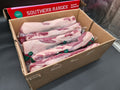
- 4 x 200ggrass fed eye fillet steaksabout 4cm thick, or porterhouse steaks
- 2 tbspblack peppercornscoarsely cracked
- 1 tbspgreen peppercorns in brinedrained (optional)
- sea saltto season
- 1 tbspolive oil
- 30gbutter
- 1French shallotfinely chopped
- 1garlic clovecrushed
- 1/4 cup (60ml)brandy or cognacoptional
- 1/2 cup (125ml)beef stock
- 3/4 cup (185ml)thickened cream
- 1 tspDijon mustard
- 1 tspWorcestershire sauce
Utensils
9 items to gather · Tap to tick off
- Heavy-based frying pan
- Mortar and pestle or coarse pepper grinder
- Fine sieve
- Digital probe thermometer
- Tongs
- Measuring jug
- Long lighter (for the brandy version)
- Wooden spoon
- Warm plate and foil
Cooking Steps
Crack the peppercorns
Crush the black peppercorns coarsely with a mortar and pestle, or under the base of a heavy pan. Tip them into a sieve and shake out the fine dust, which burns easily and makes the crust harsh.
Crust the steaks
Take the steaks out of the fridge 30 minutes before cooking and pat them dry. Season with salt, then press about two thirds of the cracked pepper firmly onto both sides of each steak, keeping the rest for the sauce.
Sear to temperature
Heat the oil in a heavy frying pan over medium-high heat. Cook the steaks for 4 to 5 minutes per side, adding 10g of the butter in the last minute and spooning it over, until a probe in the centre reads 57C for medium rare. Rest them on a warm plate under loose foil.
Soften the shallot
Pour off any excess fat and reduce the heat to medium. Add the remaining butter, the shallot, garlic and leftover cracked pepper, and cook for 1 to 2 minutes, scraping up the browned bits.
Deglaze with brandy
Take the pan off the heat and pour in the brandy from a measuring jug, never straight from the bottle. Return the pan to the heat and either light the brandy carefully with a long lighter and let the flames die down, or simply let it bubble for 1 minute. For the brandy-free version, use an extra 1/4 cup (60ml) stock here.
Reduce and finish
Add the stock and simmer for 2 to 3 minutes, until reduced by half. Stir in the cream, mustard, Worcestershire sauce and green peppercorns and simmer for 2 to 3 minutes, until the sauce coats the back of a spoon. Add the resting juices and season with salt.
Serve
Serve the steaks whole or sliced across the grain, with the pepper sauce spooned over.
Nutrition
Per Serving
Recipe serves 4Nutritional values are estimates only and may vary based on specific ingredients, brands, cuts, cooking method, and portion sizes. For medical or dietary purposes, please consult a qualified nutritionist.
Tips and Pairing
People Also Ask
How do you make a simple pepper sauce? +
To make a simple pepper sauce, soften a chopped French shallot in butter in the pan you cooked the steak in, add coarsely cracked black pepper, then deglaze with brandy or beef stock. Reduce the stock by half, stir in thickened cream and a little Dijon mustard, and simmer until the sauce coats a spoon. It takes about 10 minutes.
What are the ingredients for pepper sauce? +
Pepper sauce needs coarsely cracked black peppercorns, butter, a French shallot, garlic, beef stock and thickened cream. Classic recipes add brandy or cognac, and many include green peppercorns in brine, Dijon mustard and a dash of Worcestershire sauce for extra depth. Salt and the steak's resting juices finish it off.
Is there a difference between pepper sauce and peppercorn sauce? +
No, pepper sauce and peppercorn sauce are the same thing, and Australians use both names for a creamy sauce flavoured with cracked peppercorns. Some cooks say peppercorn sauce when it includes whole green peppercorns, but the method and base ingredients stay the same: shallot, stock, cream and plenty of cracked black pepper.
Can you make pepper sauce without brandy? +
Yes, pepper sauce is still rich and full of flavour without brandy. Replace the brandy with an extra 1/4 cup of beef stock to deglaze the pan, and add a little more Worcestershire sauce for depth. The cream, cracked pepper and browned bits from the steak carry the flavour, so the sauce still tastes complete.
What is steak au poivre? +
Steak au poivre is a French bistro dish of steak pressed into coarsely cracked peppercorns, seared to a crunchy, aromatic crust and served with a pan sauce of cognac and cream. Eye fillet is the classic cut because it is lean and very tender, though porterhouse and scotch fillet also work well.