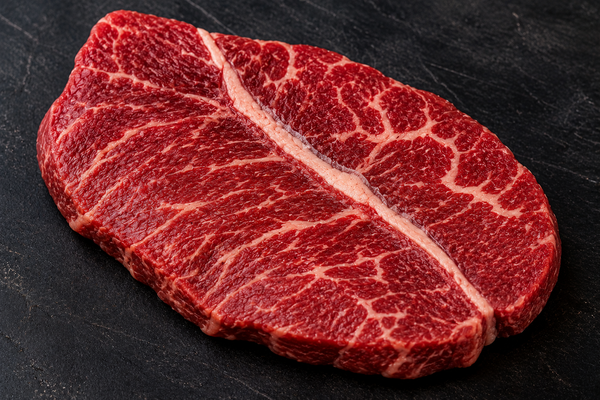
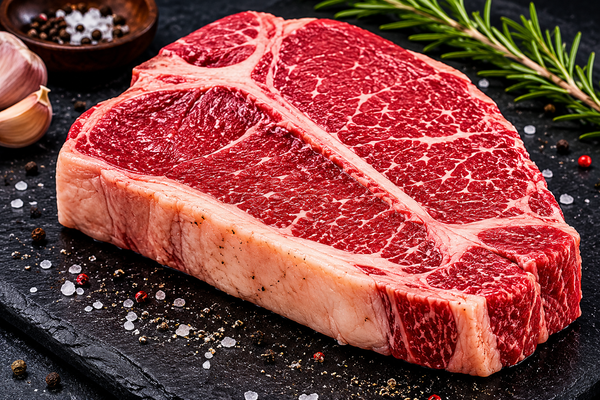
The difference between brisket point vs flat comes down to fat, shape, and how you plan to cook it. A whole brisket is actually two muscles joined together, and knowing which is which changes everything about your result.
This guide breaks down both cuts, explains where brisket sits on the animal, shows how each one tastes, and walks through the best way to cook the flat and the point at home for tender, juicy meat every single time.
What Is Brisket and Where Does It Come From?

Brisket is a large cut taken from the lower chest, or breast, of the cow, prized for its deep beefy flavour and rich connective tissue. It is one of the hardest-working muscles on the animal, which is exactly why it rewards slow, patient cooking.
Because the chest carries so much of the animal's weight, brisket starts out tough and full of collagen. Cooked quickly, it stays chewy. Cooked low and slow, that collagen melts into gelatine, and the meat turns soft, moist, and full of flavour.
A full brisket is sold in a few different ways. You can buy it whole (often called a packer brisket), or you can buy the two muscles separately as the flat or the point. In Australia, brisket is also the cut behind classic corned beef and many slow-cooked braises.
Understanding the cut before you buy makes a real difference to the dish you end up with.
Brisket Point vs Flat: What Is the Difference?

A whole brisket is made of two muscles: the flat, which is lean and rectangular, and the point, which is thicker, fattier, and heavily marbled. They sit on top of one another, separated by a layer of fat, and each one cooks and slices differently.
The flat is the larger, more even muscle. It has a neat shape, less internal fat, and slices cleanly, which makes it the go-to for traditional dishes and tidy portions. The point sits above it, is more irregular in shape, and carries far more fat running through the meat, so it cooks up richer and juicier.
| Feature | Brisket flat (first cut) | Brisket point (second cut) |
|---|---|---|
| Shape | Even, rectangular | Thick, irregular |
| Fat and marbling | Leaner | Fatty, heavily marbled |
| Texture | Firmer, slices neatly | Soft, juicy, pulls apart |
| Best for | Slices, corned beef, neat portions | Burnt ends, shredded beef, braises |
| Cook time | Shorter | Longer |
The brisket flat (first cut)
The flat, sometimes called the first cut, is the leaner half. It holds a clean rectangular shape, slices into neat pieces, and is the cut most people picture for corned beef, pastrami, and sliced brisket.
The brisket point (second cut)
The point, also called the second cut or deckle, is the fattier, more marbled half. Its extra fat keeps it moist through long cooks, making it ideal for burnt ends, pulled or shredded beef, and rich braises. The band of hard fat between the point and the flat is the true deckle, so a brisket labelled deckle off has had that seam removed, and sometimes the whole point with it, so ask your butcher exactly what you are getting.
How to Cook Brisket Low and Slow
The golden rule for both cuts is low and slow, cooking gently for several hours until the internal temperature reaches around 90°C to 96°C and the meat turns tender. Rushing brisket is the most common mistake, since the collagen needs time and gentle heat to break down.
For the oven or smoker, cook at a low, steady temperature of about 110°C to 120°C. Season generously, cook fat side up, and let it work slowly. Many cooks wrap the brisket in foil or butcher paper once it reaches roughly 70°C to push it through the long middle stretch without drying out. That stretch is known as the stall, where moisture evaporating off the surface pauses the temperature rise for a few hours, and wrapping powers through it while keeping the meat moist.
The slow cooker is the easiest hands-off method. Add your brisket with stock, aromatics, and seasoning, then cook on low for around 8 to 10 hours until it pulls apart with a fork. This suits the point especially well, since the extra fat keeps everything moist.
The cuts behave differently, so adjust to match. The leaner flat cooks faster and can dry out, so watch it closely and rest it well. The fattier point takes longer but is far more forgiving.
| Method | Temperature | Rough time | Best cut |
|---|---|---|---|
| Oven or smoker | 110°C to 120°C | 1 to 1.5 hours per 500g | Either |
| Slow cooker | Low setting | 8 to 10 hours | Point |
| Braise (stovetop or oven) | Gentle simmer | 3 to 4 hours | Point |
Whichever method you choose, always rest brisket for at least 30 minutes before slicing, and cut against the grain for the most tender result. The grain runs in different directions across the point and the flat, so check it and turn the meat as you slice rather than cutting straight through.
Should You Buy the Point, the Flat, or a Whole Brisket?
Choose the flat for neat slices and traditional dishes, the point for rich pulled or shredded beef, and a whole brisket when you want both in one cook. Your decision really depends on the meal you have in mind.
If you are making corned beef, sliced brisket, or want tidy portions for the table, the flat is the practical pick. If you are after burnt ends, pulled brisket rolls, or a deeply flavoured braise, the point delivers more richness and stays juicy through long cooking.
A whole brisket gives you the best of both and is great value when you are feeding a crowd or batch cooking for the freezer. It is a single cut that can stretch across several meals, which is part of why brisket is such a smart buy. A whole brisket usually weighs around 4.5kg to 7kg, so as a rough guide allow about 350g of raw meat per person, keeping in mind it loses weight as the fat renders during cooking.
When ordering online, look for good marbling, a firm even fat cap, and clear weight information so you can plan portions.
Conclusion
The brisket point vs flat choice comes down to fat and intended dish: the flat slices clean for traditional meals, while the point stays rich and juicy for pulled beef and burnt ends. Cook either one low and slow, rest it properly, and slice against the grain.
Ready to fire up the smoker? Order quality Australian beef cuts delivered to your door.