
The best cut of steak depends on what you value most: eye fillet is the most tender, scotch fillet has the most flavour, and rump gives the best value per kg.
This ranking is Cost Cut Meats' opinion, based on how each Australian cut eats and what it costs.
Every common steak is judged on tenderness, flavour, value per kg and how forgiving it is on the heat.
You will also find current box prices for the cuts we stock, plus picks for weeknights, occasions and the BBQ.
What Is the Best Cut of Steak? The Short Answer
In Cost Cut Meats' opinion, scotch fillet is the best cut of steak overall, because its marbling delivers rich flavour and forgives small cooking mistakes.
The right steak still depends on what matters most at your table, so here are our picks by priority.
- Most tender: eye fillet (tenderloin, or filet mignon in the US), the softest steak on the carcass and the leanest of the premium cuts.
- Most flavour: scotch fillet (rib eye), since the marbling in a whole cube roll gives scotch fillet steaks a rich, buttery taste.
- Best value: rump, the lowest price per kg in our range at full box, with rump cap close behind.
- Best all-rounder: porterhouse (sirloin, striploin), firm and beefy with a fat edge, and cheaper than scotch fillet.
- Most forgiving: scotch fillet again, because its intramuscular fat buys you time on the heat.
- Best for an occasion: a thick bone-in rib eye, cooked on the bone and carved at the table.
How We Ranked Each Cut

Each cut is judged on tenderness, flavour, value per kg and forgiveness, and the result is Cost Cut Meats' opinion rather than a grading standard.
Tenderness depends on how hard the muscle worked and how much connective tissue it holds. Flavour reflects marbling and beefiness. Value compares the price per kg of our whole primals, and forgiveness is the margin a cut gives you on the heat.
The ranking table rates each cut in plain words rather than scores, and cuts we do not stock are listed for reference only, with no price.
Grading shifts the picture. Meat Standards Australia (MSA) grading predicts eating quality, and a higher marble score means more intramuscular fat, so a well-graded porterhouse can outeat an average scotch fillet. All Cost Cut Meats beef is grass-fed, which tends to eat leaner and beefier than grain-fed beef.
Steak Cuts Ranked From Best to Worst
Our ranking puts scotch fillet first, then eye fillet, bone-in rib eye, porterhouse, rump cap and rump, with unstocked cuts listed for reference.
| Rank | Cut (also called) | Tenderness | Flavour | Value | Best cooked | At Cost Cut Meats |
|---|---|---|---|---|---|---|
| 1 | Scotch fillet (rib eye) | High | Very high | Fair | Pan, BBQ, roast | Stocked |
| 2 | Eye fillet (tenderloin, filet mignon) | Highest | Mild | Lower | Pan, roast | Stocked |
| 3 | Bone-in rib eye | High | Very high | Lower | BBQ, pan then oven | Stocked |
| 4 | Porterhouse (sirloin, New York strip) | Medium to high | High | Good | Pan, BBQ | Stocked |
| 5 | Rump cap (picanha) | Medium to high | High | Very good | BBQ, skewers, roast | Stocked |
| 6 | Rump (top sirloin in the US) | Medium | High | Best | Pan, BBQ, stir fry | Stocked |
| 7 | T-bone and tomahawk | High | Very high | Not rated | BBQ | Reference only |
| 8 | Flank, skirt, hanger, oyster blade | Firm to medium | High | Not rated | Marinate, sear, slice thin | Reference only |
Scotch Fillet (Rib Eye)
Scotch fillet is cut from the cube roll, and its marbling and rib cap give it a rich, buttery flavour. It stays juicy from rare to medium and suits a hot pan, the BBQ or a whole roast.
Eye Fillet (Tenderloin)
Eye fillet is the most tender steak on the carcass, lean and mild with a fine grain. It overcooks quickly, so pull it early. Our grass-fed eye fillet comes as whole tenderloins you portion yourself.
Bone-In Rib Eye
Bone-in rib eye is scotch fillet with the rib left on, cut thick for a showpiece. The bone-in rib eye steaks in our range are Roam grass-fed Wagyu, graded MB2+, at 350 to 450g each.
Porterhouse (Sirloin, Striploin)
Porterhouse is the all-rounder: firm, beefy and leaner than scotch fillet, with a fat edge that crisps on the grill. Buying whole porterhouse striploins and cutting your own steaks keeps the price per kg low.
Rump Cap (Picanha)
Rump cap is the triangular muscle on top of the rump, crowned with a fat cap that bastes the meat as it cooks. Big flavour at a low price per kg makes grass-fed rump cap our pick for skewers.
Rump
Rump is firmer than the loin steaks but full of beefy flavour, and it is the best value steak we sell. Slice it thin across the grain. Our whole rump and rostbiff are AMG grass-fed Black Angus.
T-Bone and Tomahawk
A T-bone pairs porterhouse on one side of the bone with a smaller piece of eye fillet on the other, while a tomahawk is a bone-in rib eye with the long bone left on. Neither is stocked, so both are reference only.
Flank, Skirt, Hanger and Oyster Blade
These value cuts reward marinating, a fast sear and thin slicing across the grain. Hanger and skirt are especially beefy, and oyster blade can be trimmed into flat iron steaks or slow cooked. We do not stock them.
Best Steak Cut for Your Budget and Occasion

For the lowest price per kg, rump and rump cap lead our range, while eye fillet and bone-in Wagyu rib eye sit at the premium end.
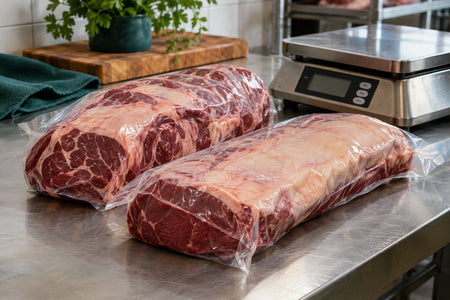
Every cut is sold as a whole primal or box: a single piece costs $10/kg more than a full box, and a half box $5/kg more. Prices checked 18 October 2026.
| Cut | Single piece, per kg | Full box, per kg |
|---|---|---|
| Scotch fillet (whole cube roll) | $49 to $64 | $39 to $54 |
| Eye fillet (whole tenderloin) | $66 to $75 | $45 to $65 |
| Porterhouse (whole striploin) | $42 to $50 | $32 to $40 |
| Rump and rostbiff | $36 | $26 |
| Rump cap | Half box only: $33 to $38 | $28 to $33 |
| Bone-in Wagyu rib eye steaks | Half box only: $82 | $77 |
For weeknights, rump and porterhouse give the most steak for the money. For an occasion, eye fillet medallions or a thick bone-in rib eye make the night, and a full box of striploin or rump cap pays off when feeding a crowd.
Grilling outdoors favours cuts with enough fat to handle the flame, and the best steak for a BBQ usually comes down to rump cap, scotch fillet or porterhouse.
Conclusion
The best cut of steak comes down to priorities: eye fillet for tenderness, scotch fillet for flavour and rump for value.
Porterhouse is the all-rounder, and rump cap brings big flavour for less.
Choose the whole primal or box that suits your table from the Cost Cut Meats range.