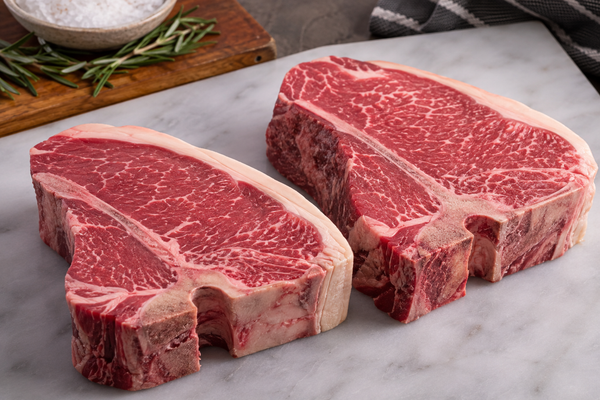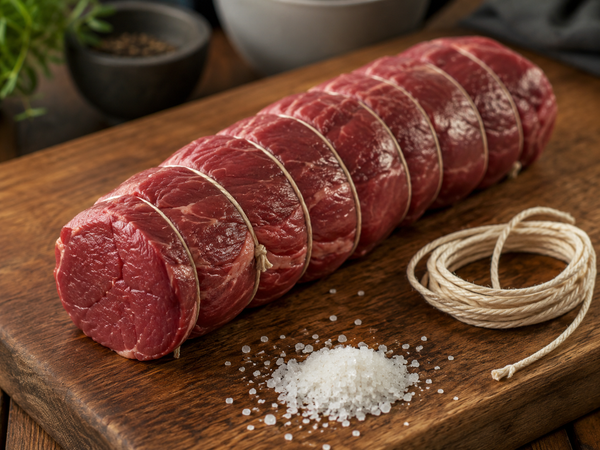

A blue steak tends to divide the table. Some see it as the purest way to enjoy good beef, while others wonder how something this rare can be safe to eat.
If you want to know how to cook a blue steak properly at home, this guide covers what blue actually means, whether it is safe, which cut to buy, and the exact sear that gives you a cool, deep-red centre. Get the method right, and a blue steak becomes one of the most tender, beef-forward things you can serve.
What Is a Blue Steak?
A blue steak is the least-cooked level of steak doneness. The outside is seared quickly over very high heat to form a browned crust, while the inside stays cool, deep red, and barely cooked. It sits one step below rare and is sometimes called blue rare or extra rare.
The name has nothing to do with blue cheese. It comes from the bleu purple-red hue of freshly cut beef, which can look faintly blue before oxygen turns it bright red. The French term au bleu is widely credited as the origin.
In practical terms, a blue steak reaches an internal temperature of roughly 46 to 49°C. That is warm enough to take the chill off the centre, but well below the point where the meat firms up or loses its raw character. The result is a soft, tender bite that puts the flavour of the beef itself front and centre.
Is a Blue Steak Safe to Eat?
For most healthy people, a blue steak from a quality cut can be safe to eat when cooked properly.
The reasoning is straightforward. On an intact, whole-muscle cut of beef, harmful bacteria sit on the outer surface rather than inside the muscle, so a proper sear across every surface destroys them.
There are important conditions. The cut must be whole and intact, never minced, needled, or mechanically tenderised, because those processes can carry surface bacteria into the centre. You also need to sear every face of the steak, including the edges, not just the top and bottom.
It is worth being honest about the trade-off. A blue steak is cooked far below the recommended safe minimum for whole cuts of beef, which is 63°C, followed by a short rest. That means blue carries more risk than a steak cooked to medium rare or above.
For that reason, pregnant women, young children, older adults, and anyone with a weakened immune system should avoid blue steak. Sourcing also matters. Fresh, well-handled beef from a trusted supplier like Cost Cut Meats is the foundation of a safe blue steak.
What Is the Difference Between a Blue Steak and a Rare Steak?
Blue and rare are close neighbours, but they are not the same. A blue steak is barely cooked, with a centre that is cool to just warm and a deep, almost raw red colour. A rare steak is cooked slightly longer, so the middle is warm rather than cool, and the red is a touch softer.
The numbers tell the story clearly. A blue steak lands around 46 to 49°C internally, while a rare steak usually sits closer to 52 to 55°C. That difference of only a few degrees changes both the texture and the eating experience.
In the pan, the gap is often just thirty to sixty seconds of extra cooking per side. Blue gives you the softest, most yielding texture and the strongest sense of pure beef. Rare keeps much of that tenderness while warming the centre through, which many people find a more comfortable starting point.
Which Cut of Steak Is Best for Cooking Blue?

The best cuts for blue are lean, tender, and thick. You want a piece at least 2.5cm thick so the outside can sear properly while the centre stays cool. Thin steaks cook through too quickly and never give you a true blue finish.
Eye fillet is the classic choice. It is the most tender cut on the animal, lean, and naturally suited to a fast, hot sear. Sirloin and rump also work well, offering more flavour and better value while still holding a clean blue centre.
Heavily marbled cuts are the exception. Scotch fillet, ribeye, and Wagyu carry rich intramuscular fat that needs gentle heat to render and soften. Cooked blue, that fat stays firm and waxy rather than melting, so these cuts shine far more at rare to medium rare.
Quality and freshness matter more than the cut name. A blue steak hides nothing, so start with the best beef you can buy.
How Do You Cook a Blue Steak?
The principle behind a blue steak is fast, fierce heat on every surface. You are not cooking the steak through; you are searing the outside while leaving the inside cool. Speed and a very hot pan do the work.
What Temperature Is a Blue Steak?
A blue steak should reach an internal temperature of roughly 46 to 49°C at the centre. A meat thermometer is the only reliable way to confirm this, especially on thicker cuts where guessing by feel is far harder.
How Long Do You Cook a Blue Steak?
For a steak about 2.5cm thick, sear for about 1 minute per side, then briefly sear the edges with tongs. Thicker cuts may need a few extra seconds per side, but the total time stays short to keep the centre cool.
How Do You Get a Good Sear Without Overcooking It?
Bring the steak to room temperature first, then pat it completely dry so it browns rather than steams. Use a smoking-hot cast-iron or heavy pan with a high-smoke-point oil, season with salt, and do not move the steak while the crust forms.
How Do You Know When a Blue Steak Is Done?

The most accurate method is a meat thermometer, aiming for 46 to 49°C at the centre. For a thin cut like blue, even a few seconds too long can tip it past the mark, so checking the temperature removes the guesswork.
If you prefer feel, a blue steak stays very soft and yielding when pressed, with almost no resistance. By sight, you are looking for a deeply browned crust on the outside and a cool, deep-red centre when sliced. Rest the steak for two to three minutes before serving, so the surface heat settles without further cooking the middle.
What Does a Blue Steak Taste Like?
A blue steak is soft, tender, and intensely beefy. The quick sear builds a savoury, slightly charred crust, while the cool centre keeps the raw meat's natural flavour and silky texture almost untouched.
The contrast is the appeal. You get warmth and crust on the outside against a smooth, almost buttery centre. Because so little is happening to the meat, the quality of the cut comes through completely, which is why blue rewards good beef and punishes anything ordinary. Keep seasoning simple so nothing competes with the flavour.
Common Mistakes to Avoid When Cooking a Blue Steak
The most common error is starting with a cold steak straight from the fridge. The centre stays icy while the outside cooks, so always let it come to room temperature first. A pan that is not hot enough is just as damaging, since it greys the meat instead of searing it.
Choosing the wrong cut causes problems, too. Thin steaks overcook in seconds, and heavily marbled cuts leave firm, unrendered fat. Using minced or mechanically tenderised meat for blue is a genuine safety risk and should be avoided entirely.
Finally, do not forget the edges, and do not slice too soon. Searing only the top and bottom leaves, untreated surfaces, and cutting straight away lets the juices run. A short rest keeps the steak both safer and juicier.
Conclusion
Cooking a blue steak comes down to an intact, high-quality cut, a screaming-hot pan, and a fast sear on every surface. Choose a lean, tender steak, check that the centre is cool at 46 to 49°C, and rest it briefly before serving.