Orange, Honey and Mustard Oyster Blade Roast
Introduction
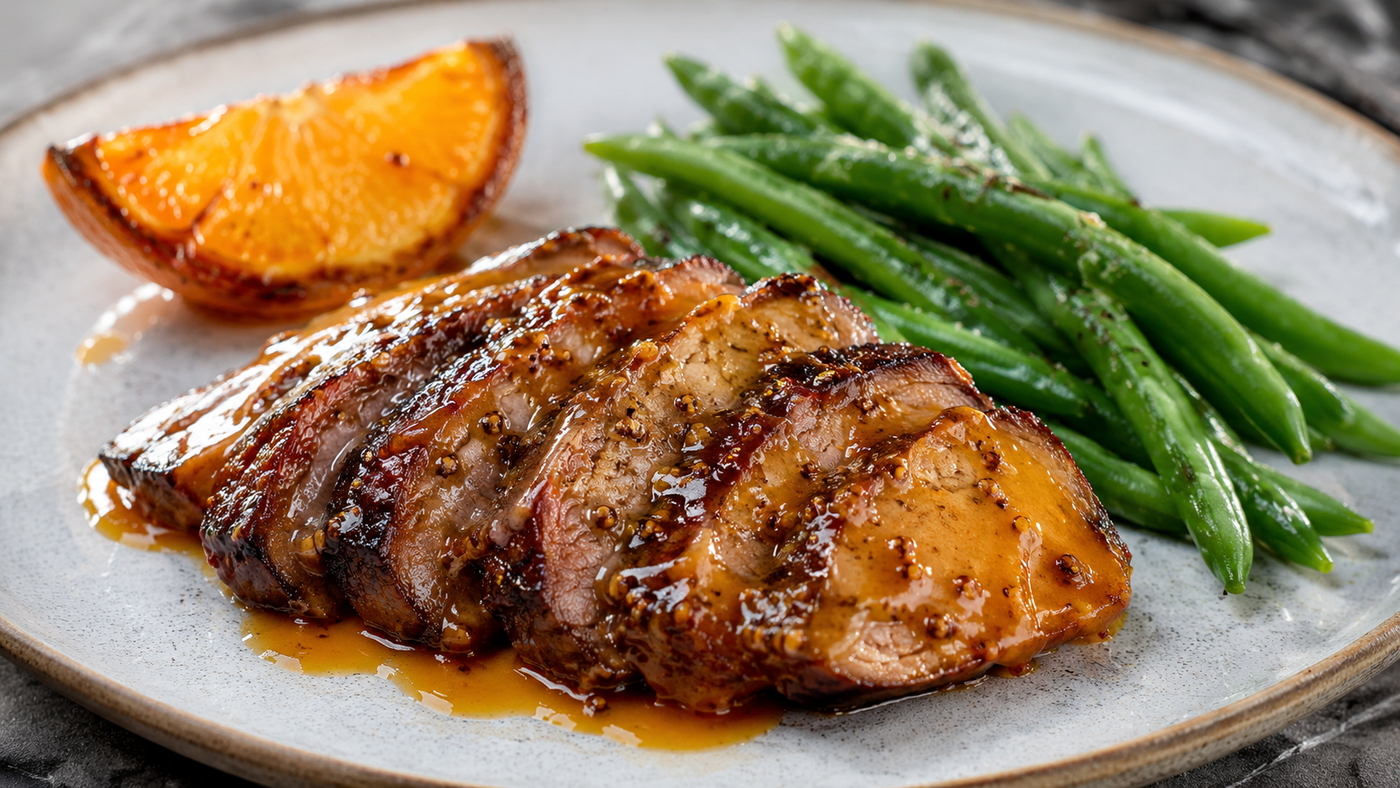
This honey mustard oyster blade roast turns a humble grass fed beef oyster blade into a glossy, sticky centrepiece. The blade is a value blade and chuck cut packed with flavour, and it loves long, gentle heat. Here it is seared for colour, then slow roasted under a glaze of fresh orange, honey and wholegrain mustard, basted until the outside turns deep and caramelised and the inside pulls apart tender. Sweet, tangy and savoury in every slice, it is a generous roast that feels special without the premium price tag.
Ingredients
For 4 servings
- 1.2kg grass fed beef oyster blade roast
- 2 oranges1 juiced and zested, 1 cut into wedges
- 3 tablespoons honey
- 2 tablespoons wholegrain mustard
- 1 tablespoon Dijon mustard
- 2 tablespoons olive oil
- 3 cloves garlicfinely grated
- 1 tablespoon soy sauce
- 1 teaspoon sea salt
- 1 teaspoon cracked black pepper
- 2 sprigs fresh thyme
- 250ml beef stock
Utensils
8 items to gather · Tap to tick off
- Heavy ovenproof pan or roasting tray
- Mixing bowl
- Whisk
- Basting brush
- Meat thermometer
- Aluminium foil
- Sharp carving knife
- Chopping board
Cooking Steps
Bring the beef to room temperature
Take the oyster blade out of the fridge 30 minutes before cooking and pat it dry. Season all over with the sea salt and cracked black pepper. Preheat the oven to 160°C.
Sear for colour
Heat the olive oil in a heavy ovenproof pan or roasting tray over high heat. Sear the beef on all sides until deeply browned, about 8 to 10 minutes in total. A good crust builds flavour and helps the glaze cling.
Make the glaze
In a bowl, whisk together the orange juice and zest, honey, wholegrain mustard, Dijon mustard, grated garlic and soy sauce until glossy and smooth.
Glaze and add liquid
Brush a generous coat of glaze over the seared beef. Pour the beef stock into the base of the tray, tuck in the thyme sprigs and orange wedges, and reserve the remaining glaze for basting.
Slow roast and baste
Cover loosely with foil and roast at 160°C, basting with the reserved glaze every 40 minutes. Cook for around 3 hours 30 minutes until the beef is fork tender. Because oyster blade is a tougher blade cut, take it low and slow to an internal temperature of about 90°C rather than medium-rare, so the connective tissue melts.
Caramelise the glaze
Remove the foil for the last 30 minutes and brush on a final layer of glaze so the surface turns deep, sticky and glossy.
Rest before carving
Lift the roast onto a board, cover loosely and rest for 15 to 20 minutes. The temperature will carry over by 2 to 3°C while it rests and the juices settle.
Carve and serve
Slice against the grain and spoon over the pan juices and softened orange. Serve glossy side up.
Nutrition
Per Serving
Recipe serves 4Nutritional values are estimates only and may vary based on specific ingredients, brands, cuts, cooking method, and portion sizes. For medical or dietary purposes, please consult a qualified nutritionist.
Tips and Pairing
People Also Ask
What is oyster blade and why slow roast it? +
Oyster blade is a value cut from the beef shoulder, also known as blade or chuck. It carries rich flavour and a line of connective tissue running through it. Slow roasting at a low temperature melts that tissue into gelatine, which is why this cut turns meltingly tender when cooked gently rather than fast.
What internal temperature should an oyster blade roast reach? +
Unlike a tender steak cut, oyster blade is best taken to an internal temperature of around 90°C, not medium-rare. At that point the connective tissue has broken down and the meat pulls apart easily. Use a meat thermometer in the thickest part and cook until fork tender rather than relying on time alone.
Can I make this honey mustard oyster blade in a slow cooker? +
Yes. Sear the beef first for colour, then transfer it to the slow cooker with the glaze and stock. Cook on low for 7 to 8 hours until fork tender, basting once or twice. Reduce the cooking liquid in a pan afterwards to make a glossy, sticky sauce to spoon over.
Why baste the roast during cooking? +
Basting builds the signature sticky, glossy glaze in layers. Each coat of orange, honey and wholegrain mustard caramelises onto the surface, deepening the colour and balancing sweet, tangy and savoury. Basting also keeps the outside from drying out during the long, gentle roast.
How do I stop the roast from drying out? +
Keep the tray covered with foil for most of the cook, add beef stock to the base for moisture, and avoid high heat. Removing the foil only for the final 30 minutes lets the glaze caramelise without overcooking the meat. Resting for 15 to 20 minutes afterwards keeps every slice juicy.